

Introduction to Radiant Floor Heating
Radiant floor heating has become one of the most popular ways to heat homes because of the comfort and efficiency it provides. Instead of blowing warm air through ducts, hydronic radiant systems circulate warm water through tubing installed beneath the floor surface. The floor gently warms the room from the ground up, creating consistent temperatures throughout the space.
If you are planning a radiant heating system, one of the most important decisions is how the radiant tubing will be installed within the floor assembly. Several installation approaches are commonly used, and each method has evolved to improve how heat transfers from the tubing into the floor.
Understanding how these systems work can help builders, designers, and homeowners choose the right radiant solution for their project.
Radiant Floor Cooling
With the advancement of humidity controlling control systems, modern hydronic heating systems now include the option to cool. Radiant floor cooling has become a mainstream option for customers who want to maximize their hydronic system investment and provide both heating and cooling. Radiant heating panels can expand past the floor to include radiant wall and ceilings to deliver maximum home comfort.
Common Radiant Floor Installation Methods
Radiant floor systems can be installed using several different construction techniques depending on the building design, floor structure, and stage of construction.
Concrete Slab Installation
Concrete slab radiant systems embed PEX tubing directly into a concrete slab or overpour.
These systems are often used in:
- slab-on-grade homes
- basement floors
- garages or workshops
Concrete acts as a large thermal mass that slowly absorbs and releases heat. Once the slab reaches temperature, it can provide stable and consistent heating.
However, because of the large thermal mass, slab systems typically take longer to respond to changing heating demands. Temperature adjustments can take hours rather than minutes.
Suspended Slab Installation
Suspended slab systems use a thin concrete or lightweight cementitious layer installed above the structural floor. Radiant tubing is embedded within this layer to distribute heat across the floor surface.
These systems are commonly used in:
- multi-story homes
- wood framed structures
- projects where radiant tubing is installed above the subfloor
Like slab-on-grade systems, suspended slab installations rely on thermal mass to distribute heat. Because the layer is thinner than a full slab, these systems respond somewhat faster but still store and release heat gradually.
Staple-Up Installation
Staple-up systems install PEX tubing underneath the subfloor between floor joists.
The tubing may be attached directly to the underside of the subfloor or installed with aluminum heat transfer plates to improve heat distribution.
Staple-up installations are often used in retrofit projects where access from below the floor is available.
Performance depends heavily on installation quality, insulation levels, and how effectively heat transfers from the tubing into the floor above.
Plywood and Aluminum Plate Systems
Plywood and aluminum plate systems place tubing inside metal heat transfer plates installed above the subfloor.
The aluminum plates help spread heat away from the tubing and distribute it across the floor surface. This improves heat transfer compared with bare tubing installations.
These systems are typically built on site by installing plates, routing tubing, and layering flooring materials over the top.
While this method improves heat transfer, installation often requires multiple steps and careful alignment of the plates and tubing.
The Evolution of Radiant Heating
Engineered Radiant Panel Systems
Modern radiant panel systems were developed to simplify installation and improve performance.
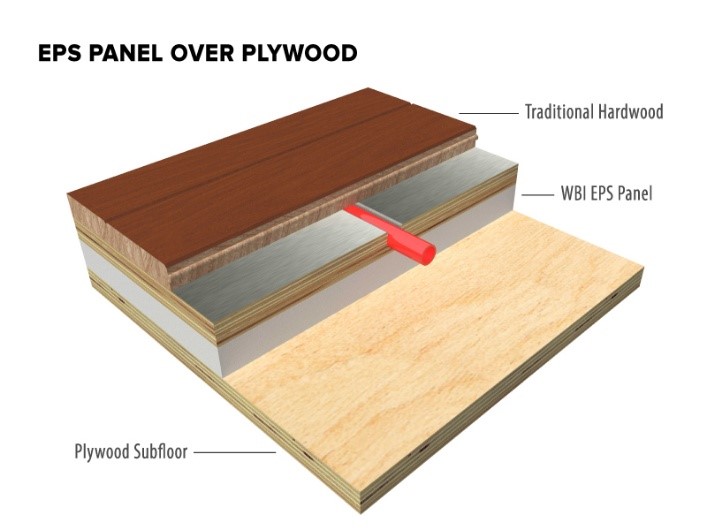
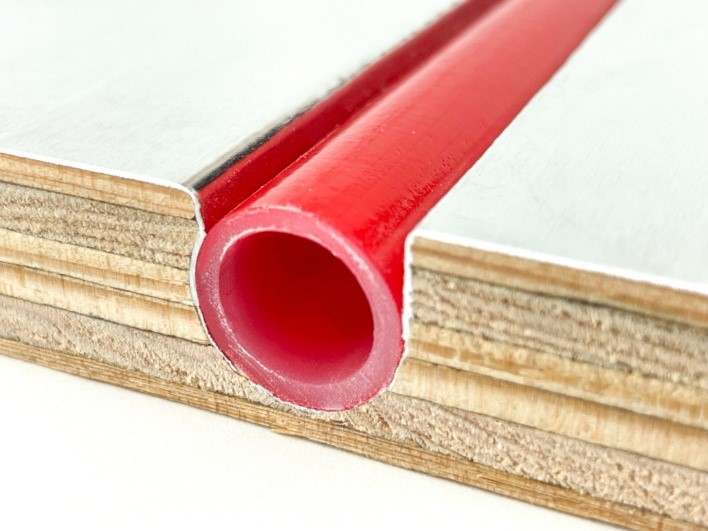
Rather than assembling individual components such as plates, tubing channels, and structural layers during installation, engineered radiant panels integrate these elements into a single manufactured panel.
Warm Brothers radiant panel systems combine:
- precision routed tubing channels
- aluminum heat transfer surfaces
- structural panel materials designed for floor assemblies
Because the heat transfer surface and tubing channels are built directly into the panel, the system delivers predictable heat transfer and consistent installation results.
Why Engineered Radiant Panels Offer Advantages
Radiant panel systems build upon the lessons learned from earlier radiant floor methods and combine them into a more integrated system.
Consistent Heat Transfer
Aluminum heat transfer surfaces spread heat evenly across the panel, helping deliver consistent floor temperatures across the room.
Because the aluminum layer is integrated into the panel itself, heat transfer remains uniform throughout the system.
Faster System Response
Engineered radiant panels transfer heat directly into the floor surface rather than relying on large thermal masses.
This allows the heating system to respond more quickly to changes in heating demand and indoor temperature.
This responsiveness is particularly beneficial when radiant floors are paired with modern hydronic heat pumps.
Simplified Installation
Instead of assembling multiple layers of plates, tubing, and structural components on site, radiant panels provide a ready-to-install system.
Panels are placed over the subfloor, tubing is installed in the routed channels, and the finished flooring can be installed above.
This helps reduce installation complexity while improving consistency across the system.
Designed for Modern Hydronic Systems
Many modern hydronic heating systems operate most efficiently at lower supply water temperatures. Air-to-water heat pumps are a good example.
Because radiant panels distribute heat efficiently across the floor surface, they allow these systems to operate comfortably at lower temperatures while maintaining consistent indoor comfort.
Radiant Panels in a Wide Range of Applications
Engineered radiant panels are now commonly used in many types of construction, including:
- custom homes
- energy-efficient homes
- remodel and retrofit projects
- basement heating systems
- homes using air-to-water heat pumps
Their flexibility allows them to work across many different floor assemblies while delivering the comfort benefits of radiant heating.
A Modern Solution for Radiant Heating
Radiant heating technology has evolved significantly over the years. From early slab systems to aluminum plate installations, each method has helped improve the performance of radiant floors.
Engineered radiant panel systems represent the next step in that evolution. By combining heat transfer, tubing placement, and structural design into a single panel, they provide a solution that simplifies installation while delivering reliable radiant comfort.
For many modern homes and hydronic heating systems, radiant panels offer a versatile and efficient way to bring radiant floor heating into a project.