An air-to-water heat pump is an energy-efficient heating system that takes heat from the outdoor air and transfers it into water to heat your home. Unlike traditional heating systems that burn gas or oil, it uses electricity to move existing heat from one place to another.
The heated water travels through a home’s radiant floor heating, radiators, or hydronic fan coils to provide warmth. Depending on the system design, an air-to-water heat pump can also provide domestic hot water and cooling during warmer months.
But how does an air-to-water heat pump actually work? What are the benefits you can get from using it at your home? In this article, I will explain what is an air-to-water heat pump, its main components, how the technology works, its benefits, and whether you should use it in your home. Let’s begin!
What Is an Air-to-Water Heat Pump?
An air-to-water heat pump is an electric heating and cooling system that extracts thermal energy from outdoor air and transfers it to a water-based heating system. It uses a refrigeration cycle to absorb heat from the surrounding air, increase its temperature, and transfer that heat into water.
The heated water can then circulate through different parts of a building, including:
- Radiant floor heating systems
- Hydronic radiators
- Fan coil units
- Hydronic air handlers
- Domestic hot water storage tanks, when supported by the system
An air-to-water heat pump works more efficiently with lower water temperatures, making underfloor heating a good match. It can also supply existing radiators and domestic hot water, although higher water temperatures may reduce efficiency. Some systems provide cooling by reversing the refrigeration cycle, removing heat from indoor water and releasing it outdoors. Compatible fan coils can distribute the cooling, while underfloor cooling requires condensation controls.
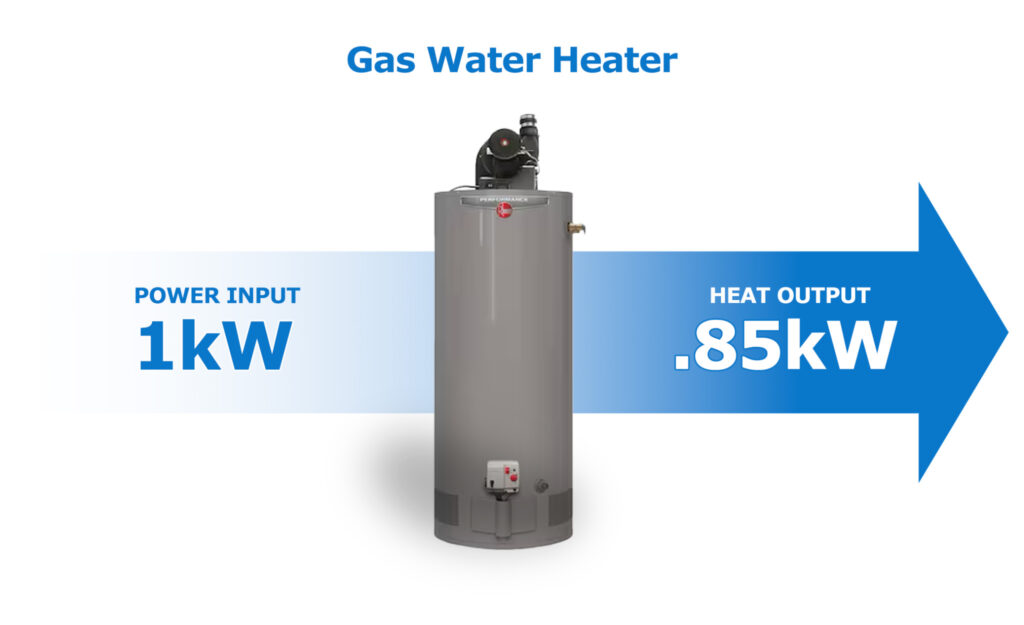
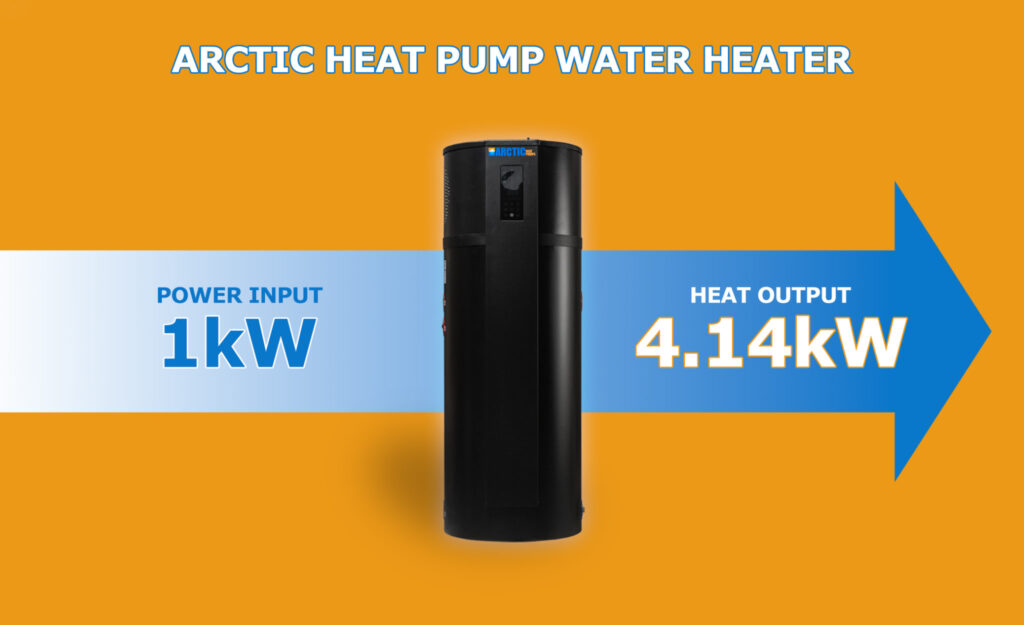
Unlike boilers, which burn fuel, heat pumps transfer existing environmental heat using electricity. Their efficiency is measured by the coefficient of performance (COP). For example, a COP of 3 means the system delivers 3 kWh of heat per 1 kWh of electricity consumed. Performance varies with outdoor temperatures, water-temperature requirements, defrost cycles, and system design. Cold-climate models can operate below freezing, but heating output and efficiency generally decrease as temperatures fall.
Main Components of an Air-to-Water Heat Pump
Several components work together to transfer heat from outdoor air into a water-based heating system. You need to understand these parts to learn how the system operates.
Evaporator Coil
The evaporator absorbs thermal energy from outdoor air. As air passes over the coil, the refrigerant inside absorbs heat and evaporates from a liquid into a gas. Even in cold weather, the refrigerant can absorb heat when its temperature is lower than that of the outdoor air.
Outdoor Fan
The outdoor fan draws or pushes air across the evaporator coil, maintaining airflow for heat transfer. Adequate airflow helps the system absorb heat effectively. During cold, humid conditions, frost may accumulate on the coil, prompting the heat pump to run a defrost cycle.
Compressor
The compressor raises the refrigerant’s pressure and temperature, allowing it to release heat into the heating water. It is one of the system’s main electricity-consuming components. Inverter-driven compressors can adjust their speed to match heating demand, helping reduce unnecessary cycling and improve efficiency.
Refrigerant
Refrigerant carries heat through the refrigeration cycle by changing pressure and phase. Common options include R32, R290 (propane), and R410A, depending on the model. Their environmental impact, safety requirements, and operating characteristics differ, so the refrigerant must be compatible with the equipment design.
Condenser or Heat Exchanger
The condenser transfers heat from the hot refrigerant into the circulating water. As the refrigerant releases heat, it condenses back into a liquid. Effective heat transfer helps the system supply the water temperatures required for radiators, underfloor heating, or other compatible equipment.
Expansion Valve
The expansion valve reduces refrigerant pressure, lowering its temperature before it returns to the evaporator. It also regulates refrigerant flow according to operating conditions, helping maintain the refrigeration cycle and support efficient performance.
Circulator Pump
The circulator pump moves heated water through the building’s hydronic heating circuit. It helps distribute heat to radiators, underfloor loops, or fan coil units. Correct pump sizing and flow rates are important for consistent heating and efficient operation.
Buffer Tank
Some installations include a buffer tank to store heated or chilled water temporarily. Depending on system design, it can increase water volume, stabilize temperatures, and reduce frequent compressor cycling. However, not every installation needs a buffer tank, and incorrect sizing can increase heat loss.
System Controller
The controller coordinates heating operation, water temperatures, compressor output, and defrost cycles. Depending on the model, it may also support weather-compensated heating, programmable schedules, remote monitoring, and adjustments through a mobile app.
Together, these components allow an air-to-water heat pump to transfer outdoor heat into a building’s water-based heating system. Their compatibility, sizing, and control settings all influence comfort, energy consumption, and long-term performance.
How Does an Air-to-Water Heat Pump Work?
An air-to-water heat pump works through a refrigeration cycle that moves heat from the outdoor air into a home’s water-based heating system. The process involves four main stages. Let me explain.
Absorbing Heat From Outdoor Air
The process begins when a fan draws outdoor air across the evaporator coil. Inside the coil is a refrigerant, a special fluid capable of absorbing heat at low temperatures. Even during cold weather, outdoor air contains thermal energy. The refrigerant absorbs some of this heat and changes from a liquid into a gas. This is how the heat pump collects energy from the environment without burning fuel.
Increasing the Refrigerant Temperature
The refrigerant gas then moves into the compressor. The compressor increases the pressure of the refrigerant, which also raises its temperature. This creates a high-temperature refrigerant that can transfer heat into the water circulating through the heating system.
Modern heat pumps often use inverter compressors that adjust their operating speed based on heating demand. Rather than always running at full capacity, these compressors can increase or decrease their output to help maintain comfortable indoor temperatures efficiently.
Transferring Heat Into Water
Next, the hot refrigerant enters a condenser or heat exchanger. Inside the heat exchanger, heat moves from the refrigerant into the water circulating through the heating system. As the refrigerant releases heat, it condenses back into a liquid.
Meanwhile, the heated water travels through the home’s hydronic distribution system. Depending on the building design, the water may supply radiant floors, radiators, fan coils, or a domestic hot water storage system.
Air-to-water heat pumps generally operate more efficiently when producing lower water temperatures. This makes them particularly suitable for radiant floor heating and other low-temperature hydronic systems.
Reducing Pressure and Repeating the Cycle
After transferring heat to the water, the refrigerant passes through an expansion valve. The valve reduces its pressure and temperature, preparing it to absorb heat from the outdoor air again. The refrigerant returns to the evaporator, and the cycle continues. This process repeats whenever the building requires heating.
8 Benefits of Air-to-Water Heat Pumps
Air-to-water heat pumps offer several advantages for homes that use water-based heating systems.
- High Energy Efficiency
One of the main benefits of an air-to-water heat pump is its ability to deliver more heating energy than the electricity it consumes. Heat pump efficiency is commonly measured using the Coefficient of Performance (COP).
For example, a COP of 4 means the system delivers four units of heating energy for every unit of electricity consumed under the specified operating conditions.
- Heating and Cooling From One System
Reversible air-to-water heat pumps can provide both heating and cooling. During winter, the system transfers heat from outdoor air into the water circuit.
During summer, the refrigeration cycle reverses, allowing the system to remove heat from the indoor water circuit and release it outdoors.
- Compatibility With Hydronic Heating
Air-to-water heat pumps work with several types of water-based heating equipment. These include radiant floor systems, suitable radiators, and hydronic fan coils.
Radiant floor heating is particularly compatible because it usually operates at lower water temperatures. Existing radiator systems may also work, although some installations require adjustments to radiator size or operating temperature.
- No On-Site Fuel Combustion
Unlike gas and oil boilers, electric air-to-water heat pumps do not burn fuel during normal operation. This eliminates on-site combustion emissions from the heat pump itself.
The overall environmental impact still depends on electricity generation, refrigerant selection, and system efficiency.
- Quiet and Comfortable Heating
Air-to-water heat pumps can provide steady heating through water-based distribution systems. Radiant floors, for example, distribute warmth across a broad surface rather than relying on bursts of heated air.
Modern equipment also uses variable-speed compressors and fans to help manage operating noise. Actual noise levels depend on the unit, installation location, and operating conditions.
- Flexible System Applications
Air-to-water heat pumps can support several heating applications. A properly designed system may provide space heating, cooling, domestic hot water, and even pool heating. The available functions depend on the heat pump model, accessories, controls, and overall system design.
- Cold-Weather Heating
Cold-climate air-to-water heat pumps are designed to continue operating in freezing temperatures. Some systems use Enhanced Vapor Injection (EVI) compressor technology to maintain heating performance in particularly cold conditions.
However, heating capacity and efficiency usually decrease as outdoor temperatures fall. Correct sizing and backup heating arrangements are important for reliable winter operation.
- Long-Term Heating Performance
Air-to-water heat pumps commonly have an expected service life of around 15 to 20 years, although actual lifespan varies with equipment quality, installation, operating conditions, and maintenance.
Regular servicing, proper water flow, clean outdoor coils, and suitable system controls can help maintain performance.
Is an Air-to-Water Heat Pump Suitable for Your Home?
An air-to-water heat pump can work in many types of buildings, but suitability depends on the existing heating system and the home’s heating requirements. You need to consider 5 things to decide whether a heating and cooling air-to-water heat pump is suitable for your home.
- Existing Heating System. Homes with radiant floors, hydronic radiators, or fan coils may be suitable for air-to-water heating. Older radiator systems sometimes need larger emitters or other improvements to operate efficiently at lower water temperatures.
- Building Insulation. Well-insulated buildings generally require less heating energy. Good insulation and air sealing can also make it easier for a heat pump to maintain indoor comfort with lower water temperatures.
- Local Climate. Outdoor temperature affects both heat pump output and efficiency. Homes in very cold climates may require equipment designed for low-temperature operation, along with an appropriate backup heating strategy.
- Heating and Cooling Requirements. Some homeowners need only space heating, while others also require cooling and domestic hot water. Understanding these requirements helps determine the necessary system components.
- System Design. Correct equipment sizing, water flow, heat emitter capacity, and control settings all influence performance. A heat pump that is poorly matched to the building may experience reduced efficiency, inadequate heating, or excessive cycling.
Finishing With
Was the “What Is an Air-to-Water Heat Pump” article helpful? If yes, I’m glad. An air-to-water heat pump uses electricity to move thermal energy from outdoor air into water, which then distributes heat throughout a building. Its refrigeration cycle allows it to deliver efficient heating without burning fuel on-site.
Depending on the equipment and system design, it can support radiant floor heating, hydronic radiators, fan coils, cooling, and domestic hot water. The main factors affecting performance include outdoor temperature, water supply temperature, building heat loss, and system design.
You need to understand these principles to evaluate how air-to-water heating works and whether it is compatible with your house. If you are still confused, contact Arctic Heat Pumps for expert consultation. We are always here to help you. That’s it for today. Hope to see you in the next article.
FAQs
How efficient is an air-to-water heat pump?
An air-to-water heat pump can deliver approximately three to five units of heating energy per unit of electricity under favorable conditions. Its actual efficiency varies with outdoor temperature, water temperature, and equipment performance.
Does an air-to-water heat pump work in cold weather?
Yes. Cold-climate models are designed to operate below freezing. Some specialized systems can operate at outdoor temperatures as low as -35°C (-31°F), although available heating capacity and efficiency vary by model and operating conditions.
Can an air-to-water heat pump cool my home?
Yes, reversible models can produce chilled water for cooling. The system must use suitable cooling equipment, such as fan coils or hydronic air handlers, along with appropriate condensation controls.
What's the difference between air-to-water and air-to-air heat pumps?
An air-to-water heat pump transfers heat into water that circulates through a hydronic system. An air-to-air heat pump transfers heat directly into indoor air through air handlers or ductwork.
How much does an air-to-water heat pump cost?
Total installation cost depends on equipment capacity, building size, existing heating infrastructure, labor, and required hydronic components. Installing a system in a home that already uses water-based heating may involve different costs than adding an entirely new hydronic distribution system.
How long do air-to-water heat pumps last?
Many air-to-water heat pumps have an expected lifespan of approximately 15 to 20 years. Actual service life depends on maintenance, operating conditions, installation quality, and equipment design.
Do I need to replace my radiators?
Not necessarily. Some existing radiators can work with an air-to-water heat pump. However, older radiators designed for high water temperatures may need to be resized or replaced to provide sufficient heating at lower temperatures.