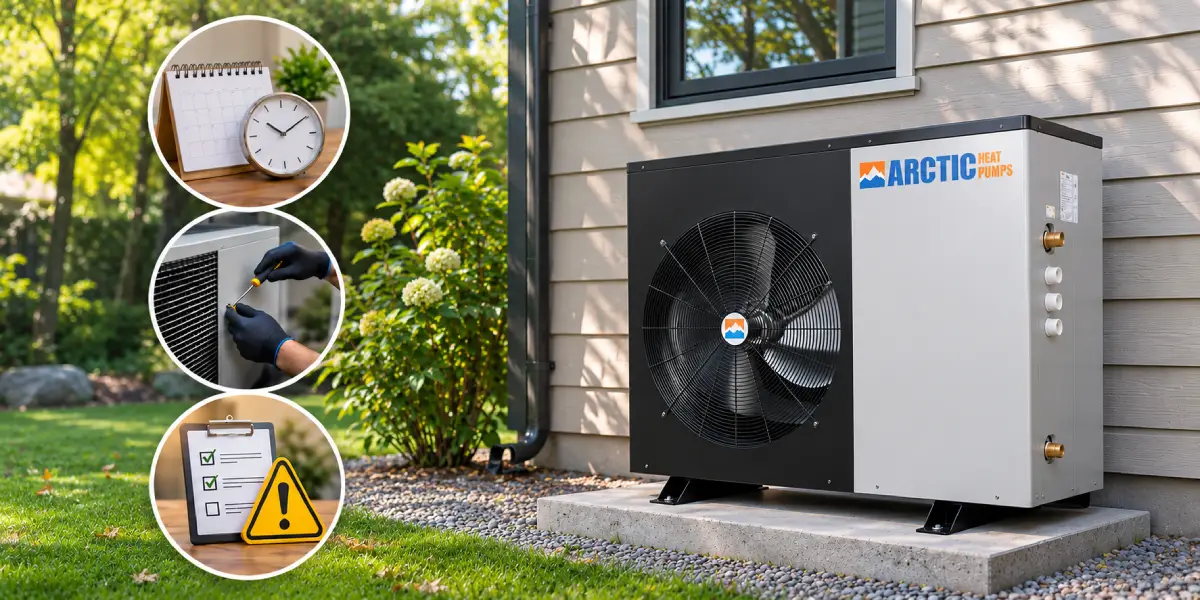
A heat pump is one of the most important investments you can make for your home’s comfort and energy efficiency. But like any major HVAC system, it won’t last forever. Over time, everyday use, changing weather conditions, and regular wear and tear can affect its performance. So, how do you know whether your heat pump still has years of reliable service ahead or is approaching the end of its lifespan?
Understanding how long do heat pumps last can help you plan for maintenance, recognize early warning signs, and avoid unexpected replacement costs. Whether you’ve recently installed a heat pump or have been using the same system for years, knowing what to expect can make a big difference.
Continue reading this article to learn the average lifespan of different heat pump systems, the factors that affect their longevity, common signs of aging, and when repairing your existing unit makes more sense than replacing it. Let’s get started!
How Long Do Heat Pumps Last
Although these systems serve similar purposes, their construction and operating conditions influence how long they typically last. The numbers I’ve explained below are general estimates, not expiration dates.
Your HVAC system may last longer or require replacement sooner depending on its condition. Scheduling routine professional maintenance, keeping filters clean, and addressing minor problems early can help protect your investment and keep your home comfortable.
Air-source Heat Pumps
Most air-source heat pumps last approximately 10–15 years. Because they provide both heating and cooling, they often operate throughout the year. Regular filter cleaning, professional inspections, and timely repairs can help maintain performance and reduce unnecessary strain.
Ductless Mini-split Heat Pumps
Ductless mini-splits generally last around 10-20 years, although some well-maintained systems may operate longer. Their lifespan depends on usage, installation quality, filter maintenance, and outdoor conditions. Keeping indoor filters and outdoor coils clean helps maintain efficient operation.
Geothermal Heat Pumps
Geothermal systems are known for their long service life. Their indoor components can last up to 24 years, while the underground ground loop can last 50 years or more. Since the loop is buried and protected from outdoor weather, it generally experiences less environmental wear.
Furnaces
A typical furnace lasts around 15-25 years, depending on its fuel type, maintenance, installation, and operating conditions. Regular inspections and replacing dirty filters can help prevent unnecessary wear.
Central Air Conditioners
Most central air conditioning systems last approximately 10-15 years. Heavy seasonal use, poor airflow, neglected maintenance, and extreme weather can shorten their lifespan.
What Affects Heat Pump Life Expectancy
There are five things that may affect heat pump longevity.
Installation and Sizing
Poor installation is one of the most common reasons a heat pump dies early. An oversized unit turns on and off too often (short cycling), which wears out the compressor. An undersized unit runs flat out on cold days and never rests.
Maintenance
The U.S. Department of Energy says the energy use of a well-maintained heat pump and a severely neglected one can differ by 10% to 25% (DOE). A dirty coil or clogged filter makes the compressor work harder for the same heat, and that extra strain shortens its life.
Climate and How Hard It Runs
Trane notes that mild climates cause less wear, while long stretches of extreme heat or cold add strain. Big gaps between your thermostat setting and the outdoor temperature also make the system run longer.
In a cold climate, choose a heat pump rated for your winter design temperature so it is not pushed past its limits for months at a time. For example, Arctic’s cold-climate heat pumps use inverter compressors with enhanced vapor injection to keep heating in deep cold.
Short Cycling
Frequent starts are hard on a compressor. Modern inverter heat pumps reduce this by slowing down instead of shutting off. In hydronic systems, a correctly sized buffer tank adds water volume so the heat pump can run longer, steadier cycles.
Outdoor Placement and Freeze Protection
An outdoor unit buried by roof snow, sitting in a puddle or blowing air back into its own intake works harder and fails sooner. For air-to-water systems, freeze protection matters too. Arctic’s warranty terms exclude damage from freezing caused by missing antifreeze protection and from incorrect exterior placement, because both are installation problems that can ruin a unit.
Situations When You Should Consider Repair or Replace Your Heat Pump
A common rule of thumb in the HVAC trade is the $5,000 rule: multiply the unit’s age by the repair quote. If the result is more than $5,000, replacing usually makes more sense than repairing.
To give you an example: a 12-year-old heat pump with a $600 repair quote gives 12 × $600 = $7,200. That is over $5,000, so start getting replacement quotes. A 5-year-old unit with the same $600 quote gives $3,000, so repair it.
| Situation | Usually The Better Choice |
|---|---|
| Under 10 years old, minor fault, serviced regularly | Repair |
| Under 10 years old, still under warranty | Repair (check warranty first) |
| 10 to 15 years old, first major repair | Get both quotes and use the $5,000 rule |
| Over 15 years old, compressor or coil failure | Replace |
| Repairs every year, bills rising | Replace |
| Uses R-22 and needs refrigerant | Replace |
Treat the $5,000 rule as a starting point, not a verdict. A unit that is too small for your home, or a home you are about to renovate, can justify replacing earlier.
If you do replace, note that the federal 25C tax credit for heat pumps ended for systems placed in service after December 31, 2025 (IRS). Many state and utility rebates are still available. Check our list of air-to-water rebate programs.
6 Warning Signs to Replace a Heat Pump
No single sign means you must replace your heat pump. However, if you notice several of these signs show up, start planning to replace a heat pump.
- It is 10 to 15 years old or older. Many units also run out of warranty after about 10 years, so each repair costs more.
- It needs repairs every year. American Standard treats repairs once a year or more as a replacement signal. One or two repairs over three years is normal.
- Your energy bills keep rising. Bills go up while your rates and usage stay the same, which usually means the system is losing efficiency.
- Comfort is slipping. It takes longer to reach the set temperature, some rooms stay cold, or backup heat runs much more than it used to.
- The compressor or refrigerant circuit fails. These are the most expensive repairs. On an older unit, they often cost a large share of a new system.
- It uses R-22 refrigerant. R-22 production ended in the U.S. in 2020, so recharging an older R-22 system is costly and supply keeps shrinking.
Tips to Make Your Heat Pump Last Longer
The U.S. Department of Energy recommends these basics for every heat pump:
- Filters: Clean or change them every 3 months, or as your manufacturer or installer recommends.
- Outdoor coil: Clean it whenever it looks dirty. Rinse gently with a garden hose, never a pressure washer.
- Professional service: Have a technician service the heat pump at least once a year.
Add these habits to get the most years out of your system:
- Keep snow, leaves and plants clear of the outdoor unit, using the clearances in your model’s manual.
- Make sure defrost water can drain away and does not refreeze under the unit.
- For air-to-water systems, have the technician test glycol or freeze protection before winter and check water-side strainers.
- Avoid deep thermostat setbacks that force the system into long, hard recovery runs.
- Test your backup heat before the first cold snap so the heat pump is never left carrying a load it was not sized for.
- Keep a service log and register your warranty within 30 days of receiving the product.
To Sum Up
So, how long do heat pumps last? Plan on 10 to 15 years for an air-source unit, with 20 years possible when the system is sized right, installed well and serviced every year.
Replace it when age, frequent repairs, rising bills and falling comfort start showing up together, and use the $5,000 rule to decide on any single repair. If you are planning a new system, start with the right size. Try our free Arctic heat pump sizing tool, or contact us for professional support. That’s it for today. See you in the next article.
FAQs
Yes, but it is above average. A heat pump that was sized correctly, installed well and serviced every year can reach 20 years. American Standard says some higher-end units may last up to 20 years depending on location, and geothermal indoor units can last up to 24 years.
Not automatically. If it heats and cools well, bills are steady and repairs are rare, keep it and keep up the yearly service. Start planning a replacement so you are not forced into a rushed decision when it fails in the middle of winter.
Generally, yes. Mild weather means fewer hours at full output and less strain on the compressor. In cold climates, a correctly sized cold-climate model with a backup heat source keeps wear under control.
At least once a year by a professional, according to the U.S. Department of Energy. Many owners book a visit before the heating season and another before the cooling season.
Smaller electrical parts such as capacitors, contactors and fan motors often fail first and are usually inexpensive to replace. The compressor is the most expensive part. A compressor failure on an older unit is often the point where replacement makes more sense than repair.