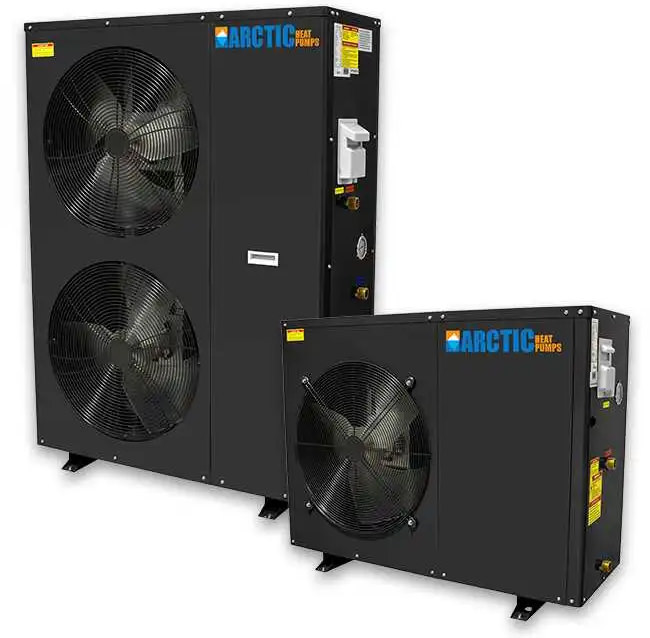
What is An Air to Water Heat Pump​ and How It Works?

What is An Air to Water Heat Pump​

An air to water heat pump is one of the most efficient and versatile ways to heat a home ever brought to market. This single electric appliance can replace your furnace, your boiler, your air conditioner, and even your water heater. Instead of burning fuel, it harvests free heat from the outdoor air and delivers it to your home through water, producing three to five units of heat for every unit of electricity it uses.

If you’re weighing a switch from a gas or oil boiler, planning a new build, or simply trying to understand this fast-growing technology, I’ve got you covered. In this article, I’ll explain what is an air to water heat pump, how it works step by step, the components inside it, its real benefits, and exactly when it’s the right choice for your home.

What Is an Air to Water Heat Pump?

An air to water heat pump is a renewable heating and cooling system that extracts thermal energy from the outside air and transfers it into water. That heated water is then circulated through a hydronic (water-based) distribution system, radiant floors, radiators, hydronic fan coils, or air handlers, to warm your home, and it can also supply domestic hot water for showers, taps, and appliances. In summer, most units reverse to produce chilled water for cooling.

As the name suggests, an air-to-air heat pump (a typical ductless mini-split) moves heat from the air outside directly into the air inside your rooms. An air-to-water heat pump moves that same harvested heat into water, which is a far more effective medium for carrying and storing energy, and which opens the door to whole-home heating, radiant comfort, domestic hot water, and pool heating from one system. This makes an air to water heat pump a true all-in-one replacement for the separate boiler, AC, and water heater most homes rely on.

Because it moves heat rather than generating it by combustion, an air to water heat pump is dramatically more efficient than any fuel-burning system. A gas or oil boiler tops out at around 90% efficiency, and an electric resistance heater at 100%, while an air to water heat pump routinely operates at 300 – 500% efficiency, a low-carbon, low-cost alternative that’s rapidly replacing fossil-fuel heating worldwide.

Benefits of Using the Best Air to Water Heat Pump

8 advantages of air-to-water heat pumps explained. It will help you understand the importance of air-to-water heat pumps and decide whether you should use one.

Exceptional Energy Efficiency

Efficiency is measured by the Coefficient of Performance (COP), the ratio of heat delivered to electricity consumed. Air to water heat pumps typically achieve a COP of 3 to 5, meaning they produce three to five units of heat for every unit of electricity.

Put simply, a heat pump can deliver three to four times more heat than an electric resistance heater using the same power, because most of the energy comes free from the outdoor air. For homeowners, that translates directly into lower monthly bills, especially when replacing propane, oil, or electric-resistance heating.

All-in-One Solution

One air to water heat pump can handle space heating, air conditioning, and domestic hot water, three appliances collapsed into one. That streamlines your mechanical room, frees up living space, and simplifies maintenance.

The same unit that warms your radiant floors in January can chill them (or feed fan coils) in July and keep your hot water tank charged year-round. Premium systems can even heat a pool or hot tub from the same equipment.

Quiet Operation

With no roaring burner and no furnace blasting air through ducts, an air to water heat pump runs quietly. Modern units with variable-speed (inverter) compressors and brushless DC fans are engineered specifically for low noise, humming softly in the background rather than cycling loudly on and off. Combined with the draft-free warmth of hydronic distribution, the result is a notably peaceful home.

Eco-Friendly Performance

An air to water heat pump produces zero on-site combustion and zero direct carbon emissions, no burning of gas, oil, or propane, and no carbon monoxide risk. Because it runs on electricity, its footprint shrinks further as the grid gets cleaner, and it can be paired with rooftop solar to approach carbon-free heating. 

Newer units also use lower-GWP refrigerants like R32 or R290, reducing environmental impact even further. For anyone electrifying their home to cut emissions, it’s one of the highest-impact upgrades available.

Lower Operating Costs and Long Lifespan

Beyond raw efficiency, heat pumps have low operating and maintenance costs; there’s no combustion to service, no flue to clean, and no fuel deliveries. A well-maintained air to water heat pump typically lasts 15 – 20 years, and because it replaces multiple appliances, you’re maintaining one system instead of three.

Reliable Performance in Cold Climates

The old belief that heat pumps can’t handle winter is outdated. Standard cold climate air to water heat pumps extract usable heat from air as cold as -20 to -25 °C, and cold-climate models go further still. 

Units using Enhanced Vapor Injection (EVI) inverter compressors, such as Arctic’s air to water heat pumps, keep heating efficiently down to -35 °C (-31 °F), with an automatic backup heater covering only the very coldest days. That makes them viable primary heating even in northern climates where winters are severe.

Simple, Safe Installation

Many air to water heat pumps use a monobloc design, meaning the entire refrigerant circuit is sealed inside the single outdoor unit; only water pipes run into the house. There are no refrigerant lines to route indoors, no on-site charging or vacuuming, and no risk of refrigerant leaks inside your living space. Installation is simpler, safer, and often cheaper, typically needing just an electrical connection and water piping.

Versatility and Future-Proofing

Because it works with virtually any hydronic emitter, an air to water heat pump fits radiant floors, low-temperature radiators, fan coils, and ducted air handlers alike, and one system can combine several. It works in new builds and retrofits, integrates with solar and backup heat sources, and positions your home for an all-electric, fossil-fuel-free future.

An Air to Water Heat Pump’s Components Include

Understanding air to water heat pump parts helps you understand how the system delivers such high efficiency. It’s built around a sealed refrigeration circuit plus a water side:

  • Evaporator Coil: A finned coil in the outdoor unit where cold liquid refrigerant absorbs heat from the passing air and boils into a gas.
  • Fan: Draws large volumes of outdoor air across the evaporator so the refrigerant has heat to absorb, even in freezing conditions.
  • Compressor: The heart of the system; it compresses the refrigerant gas, sharply raising its temperature and pressure. Variable-speed inverter compressors (and EVI compressors in cold-climate units) modulate output to match demand for maximum efficiency.
  • Refrigerant: The working fluid (commonly R32, R290, or R410A) that boils at very low temperatures, allowing it to absorb heat from cold air.
  • Condenser/Heat Exchanger: Where the hot refrigerant transfers its heat to the water loop, a high-efficiency plate or coil exchanger does the actual air-to-water energy transfer.
  • Expansion Valve: Meters the refrigerant and drops its pressure, cooling it sharply so it’s ready to absorb heat again.
  • Circulator Pump: Moves the heated water from the heat pump through your home’s distribution system and back.
  • Buffer Tank: A well-insulated tank that stores heated (or chilled) water, smooths system operation, prevents short-cycling, and often houses the automatic backup heating element.
  • Controls: A digital controller manages temperatures, switches between heating, cooling, and hot water, runs the defrost cycle, and (in advanced systems) enables remote monitoring from a phone or computer.

In a monobloc unit, the evaporator, compressor, condenser, expansion valve, fan, and refrigerant all live in the sealed outdoor cabinet; the buffer tank, pump, and emitters live indoors, connected only by water pipes.

How an Air to Water Heat Pump Works

An air to water heat pump runs a continuous four-stage refrigeration cycle, the same physics as a refrigerator, but working in reverse to pump heat into your home rather than out of a food compartment. Here’s each stage.

Absorb the Heat

A fan draws outdoor air across the evaporator coil. Even air that feels frigid to us contains abundant thermal energy, and the refrigerant inside the evaporator boils at such a low temperature that it readily absorbs that heat. 

As it does, the cold liquid refrigerant evaporates into a low-temperature, low-pressure gas. This is the stage where free energy from the environment enters the system, and it’s why the electricity you pay for yields several times more heat.

Compression

The refrigerant gas flows into the compressor, which squeezes it to high pressure. Compression concentrates the diffuse heat that the refrigerant collected, driving its temperature up dramatically, hot enough to heat water for your home. 

The compressor is the only major energy-consuming component, and in modern inverter units, it varies its speed to deliver exactly the heat needed, no more, keeping efficiency high. Cold-climate EVI compressors inject additional refrigerant vapor mid-compression to maintain strong output when outdoor air is very cold.

Water Heating

The hot, high-pressure refrigerant gas passes into the condenser (heat exchanger), where it meets the water loop. Heat transfers from the refrigerant into the water, warming it for circulation through your radiant floors, radiators, fan coils, or hot water tank. 

As it surrenders its heat, the refrigerant condenses back into a liquid. It then flows through the expansion valve, where its pressure and temperature drop sharply, returning it to a cold liquid ready to absorb heat again, and the cycle repeats.

Air to water heat pumps are most efficient when producing lower water temperatures (ideally around 30-50 °C / 86-122 °F), which is why they pair so well with low-temperature emitters like radiant floors. They can produce hotter water when needed, but efficiency declines as target temperature rises, so good system design keeps flow temperatures modest.

Cooling Mode

In summer, a reversing valve flips the cycle. The heat pump now extracts heat from the water circulating inside your home and releases it to the outdoor air, chilling the water instead of heating it. Chilled water runs through fan coils, hydronic air handlers, or compatible radiant systems to provide efficient air conditioning. One unit, one set of pipes, heating in winter, cooling in summer, and hot water all year.

A quick note on winter operation: periodically, the outdoor coil accumulates frost, so the unit briefly runs a defrost cycle to clear it. This is normal, lasts only a few minutes, and modern intelligent-defrost controls minimize any impact on comfort.

When to Choose an Air to Water Heat Pump for Your Home

An air to water heat pump is ideal if

  • You have or plan a hydronic distribution system. Homes with radiant floor heating, hydronic radiators, or fan coils are perfect candidates because the heat pump plugs straight into water-based distribution. If you’re building new or renovating, designing around radiant floors and an air to water heat pump yields the most efficient, comfortable result.
  • You’re replacing an aging boiler. An air to water heat pump is a natural boiler replacement; it uses the same water-based approach but adds cooling and slashes running costs. Some older, high-temperature radiators may need to be upsized or supplemented with low-temperature emitters to run efficiently at heat-pump flow temperatures.
  • You want to electrify and cut emissions. If reducing your carbon footprint and getting off fossil fuels matter to you, this is one of the highest-impact home upgrades available, especially paired with solar.
  • You want one system for everything. If you’d rather maintain a single all-in-one system for heating, cooling, and hot water instead of a separate furnace, AC, and water heater, an air to water heat pump consolidates all three.
  • You live in a cold climate, with the right unit. Don’t rule it out for northern winters. Choose a cold-climate-rated model with EVI inverter technology and a low-ambient operating spec (the lower the better) plus an integrated backup, and it can serve as your primary heat source through deep cold.

Finishing With

Are you clear about “What is An Air to Water Heat Pump?” An air to water heat pump captures free heat from the outdoor air and delivers it to your home through water, providing heating, cooling, and hot water from a single, highly efficient electric system. With a COP of 3-5, no on-site emissions, quiet operation, and a lifespan of 15-20 years, it’s one of the smartest ways to heat and cool a modern home and the leading path to getting off fossil fuels without sacrificing comfort.

The key to getting all of that is choosing a cold-climate-capable unit and designing the system correctly for your home. Check out Arctic’s cold-climate air to water heat pumps,  EVI monobloc units that heat, cool, and make hot water down to -35 °C at about half the cost of geothermal, and take advantage of Arctic’s free hydronic heating design service to size and lay out a system built for your home and climate.

Frequently Asked Questions

Very. With a COP of 3-5, it delivers 300–500% efficiency, three to five units of heat per unit of electricity, compared with 90% or less for a fuel boiler. This can substantially reduce heating costs, particularly when replacing oil, propane, or electric-resistance heat.

Yes. Standard units work down to around -20 to -25 °C, and cold-climate models with EVI compressors operate efficiently to about -35 °C (-31 °F), with automatic backup for colder extremes. They’re used as primary heating even in severe northern winters.

Most can. A reversing valve lets the unit produce chilled water in summer, which circulates through fan coils, hydronic air handlers, or compatible radiant systems to provide air conditioning, giving you heating, cooling, and hot water from one system.

An air to air heat pump moves heat into indoor air (like a ductless mini-split). An air to water heat pump moves heat into water, which then feeds radiant floors, radiators, fan coils, and a hot water tank, making it a whole-home heating, cooling, and hot water solution.

Costs vary widely by home size, distribution type, and region, and a whole-home hydronic system costs more than a single appliance swap. It’s typically higher upfront than a basic boiler but far cheaper to run, and often about half the cost of geothermal. Check current local rebates, as available incentives change over time.

With proper maintenance, typically 15-20 years. Longevity depends on installation quality, usage, and regular servicing; an annual check, cleaning the coils, and clearing airflow around the outdoor unit go a long way.

Not always. Radiant floors and modern low-temperature emitters are ideal. Older high-temperature radiators may need to be upsized or paired with low-temp emitters to run efficiently at the lower flow temperatures a heat pump prefers. A design service can tell you what your existing system needs.

Which Is Most Efficient Heating System for Cold Climates?

Most Efficient Heating System for Cold Climates

When winter temperatures plunge well below freezing, the heating system you choose stops being a comfort decision and becomes a financial one. The most efficient heating system for cold climates can cut your energy bills dramatically, keep every room evenly warm, and slash your carbon footprint, while the wrong choice leaves you with cold spots, sky-high utility costs, and a system straining to keep up.

In this article, I’ll explain the seven most efficient heating systems available to cold-climate homeowners, comparison, why it is essential, how heating systems work, and how to enhance their performance to help you decide and use them with confidence. Let’s not waste any more time and get to the point.

Why an Efficient Heating System Is Essential for Homeowners

In a cold climate, your heating system runs hard for five, six, or even eight months a year. That sustained workload makes efficiency the single biggest lever you have over your home’s operating cost. A high-efficiency system delivers more usable heat from every dollar of fuel or electricity, which translates directly into lower monthly bills across the entire heating season.

Efficiency matters for more than money. An efficient, properly sized system holds a steadier indoor temperature, eliminating the cold corners and overheated rooms that plague older equipment. It runs quieter, lasts longer because it isn’t constantly straining at maximum output, and produces fewer emissions, especially when it draws on electricity instead of combustion.

For anyone drawing up energy-efficient home plans for cold climates, the heating system is the foundation around which everything else is built: get it right, and insulation, windows, and ventilation all work with it rather than against it.

There’s also a resale dimension. Homes with modern, efficient heating, particularly electric systems like heat pumps, increasingly command a premium, and efficiency disclosures at sale are becoming the norm in many markets. The system you install today is an investment that pays back across years of lower bills and a stronger property value.

7 Most Efficient Heating Systems for Cold Climates

No single system is “best” for every home. The right answer depends on your climate zone, fuel availability, home construction, and budget. Here are the seven that deliver the highest real-world efficiency in cold weather.

Gas Furnaces

A modern condensing gas furnace remains one of the most popular cold-climate choices for good reason: it produces hot air fast, in any weather, and high-efficiency models waste very little fuel.

Efficiency is measured in AFUE (Annual Fuel Utilization Efficiency), and top units reach 90–98% AFUE, meaning almost all the fuel’s energy becomes usable heat thanks to a secondary heat exchanger that captures warmth from exhaust gases.

Air-Source (Cold-Climate) Heat Pumps

Heat pumps don’t create heat; they move it, capturing warmth from the outdoor air and transferring it indoors. Because they move heat rather than burning fuel, they routinely operate at 250–400% efficiency, delivering three to four units of heat for every unit of electricity. They also work in reverse to cool your home in summer, making them the most efficient heating and cooling system in a single unit.

The old knock on heat pumps was cold-weather performance, but that’s now outdated. The best cold-weather heat pumps use variable-speed (inverter) compressors and enhanced refrigerant cycles to keep heating efficiently far below freezing.

ENERGY STAR cold-climate models are required to maintain a useful COP even at 5 °F, and the most reliable heat pump options for colder climates keep working at −13 °F and lower. This combination of efficiency, dual heating/cooling, and falling equipment prices is why heat pumps now outsell gas furnaces in the U.S.

Condensing Boilers

A boiler heats water and circulates it through radiators, baseboards, or in-floor tubing. Modern condensing boilers reach up to roughly 95% AFUE by extracting heat from their own exhaust gases that older boilers sent up the flue. Because they distribute heat through water rather than forced air, they avoid duct losses entirely and deliver the steady, draft-free warmth many homeowners prefer.

Boilers pair exceptionally well with low-temperature distribution like radiant floors, and they tend to be durable and quiet. They cost more to install than a basic furnace and, like any combustion system, depend on fuel prices, but for hydronic (water-based) heating in a cold climate, a condensing boiler is a benchmark of efficiency.

Geothermal (Ground-Source) Heat Pumps

Geothermal systems are the efficiency champions. Instead of pulling heat from cold winter air, they draw on the stable temperature of the ground a few feet down, which stays moderate year-round. That stable source lets them hit the highest efficiencies of any system and reduce heating and cooling costs by an estimated 25–75% compared with conventional equipment.

The catch is cost. Geothermal requires excavation for ground loops, pushing installed prices to roughly $20,000–$35,000 or more, often two to three times the cost of an air-source system. For homeowners staying put long-term with the land and budget to support it, the long-run savings and 20-plus-year lifespan can justify the investment. For many others, an air-source or air-to-water heat pump delivers most of the benefit at a fraction of the price.

Hydronic Radiant Floor Heating

Radiant floor heating isn’t a heat source so much as the most efficient way to distribute heat. Warm water circulates through tubing embedded in the floor, gently warming the room from the ground up. Because it heats objects and people directly rather than blowing hot air, it delivers exceptionally even comfort, eliminates duct losses, and lets you feel comfortable at a lower thermostat setting, a real efficiency gain.

Crucially, radiant systems run at low water temperatures (often 85–120 °F), which is exactly the range where heat pumps and condensing boilers are most efficient. Pairing hydronic radiant floor heating with an air-to-water heat pump (below) creates one of the most efficient and comfortable cold-climate heating solutions available. The downside is installation cost and complexity, especially as a retrofit; it’s easiest to include when building or renovating.

Dual-Fuel (Hybrid) Systems

A dual-fuel system pairs an electric heat pump with a gas furnace, and an intelligent control automatically runs whichever is cheaper and more efficient at any given temperature. The heat pump handles the majority of the season at high efficiency; when temperatures drop to the point where the furnace becomes more economical, the system switches over seamlessly.

This hybrid approach is one of the smartest options for the coldest climate zones, giving you heat-pump efficiency most of the year with the absolute reliability of gas on the harshest days. It costs more than either system alone, but it eliminates the “what if it gets too cold” worry that holds some homeowners back from going all-electric.

Air-to-Water Heat Pumps with Hydronic Distribution

An air-to-water heat pump combines the efficiency of a cold-climate heat pump with the comfort and flexibility of water-based (hydronic) distribution. It extracts heat from outdoor air and uses it to heat water, which can then feed radiant floors, low-temperature radiators, hydronic fan coils, central air handlers, and even domestic hot water and a pool, all from one unit.

This is the most versatile path to whole-home efficiency in a cold climate. Premium systems use enhanced vapor injection (EVI) compressors to keep harvesting heat from the air at extremely low temperatures. Arctic Heat Pumps, for example, use Panasonic EVI DC-inverter compressors to operate down to −35 °C (−31 °F), integrate heating, cooling, and hot water in one monobloc outdoor unit, and do it at roughly half the installed cost of a comparable geothermal system.

With a built-in backup heater that only engages on the coldest days, an air-to-water system can cover virtually all of a home’s heating needs while running on electricity. Because the refrigeration cycle stays sealed in the outdoor unit (only water pipes enter the house), installation is simpler and safer than a split system.

most efficient heating and cooling system

How Do Heating Systems Work in Cold Climates

Cold weather changes the physics of heating, and different systems respond very differently.

Combustion Systems (gas furnaces, boilers)

They are largely indifferent to outdoor temperature; they burn fuel to make heat, so a −20 °F night doesn’t reduce their output. Their efficiency is fixed by their AFUE rating. This consistency is their strength; their weakness is dependence on fuel and the duct or pipe losses in distribution.

Heat Pumps

Heat Pumps for cold climates work by extracting heat that exists in outdoor air, even when it feels frigid; there’s usable thermal energy in air well below 0 °F. As the air gets colder, there’s less heat to harvest, so a heat pump’s output and efficiency gradually decline. This is where cold-climate engineering matters.

Variable-speed inverter compressors ramp up to maintain output, and enhanced vapor injection (EVI) effectively “supercharges” the refrigerant cycle so the unit keeps delivering strong, efficient heat at temperatures that would stall an older heat pump. When the temperature finally drops below the unit’s design limit, a small backup heat source covers the gap.

Distribution

Distribution is the other half of the equation. Forced-air systems heat air and blow it through ducts, which is fast but prone to losses and uneven temperatures. Hydronic systems heat water and circulate it through floors or radiators, delivering steady, even warmth at low temperatures, a natural match for heat pumps and condensing boilers. The most efficient cold-climate setups deliberately pair a high-efficiency heat source with a low-temperature distribution method.

Compare Heating Systems to Choose the Best One

Choosing the best heating and cooling system for your house means weighing several factors together rather than chasing a single number. Here’s how you can evaluate them.

Annual Fuel Utilization Efficiency (AFUE) and COP/HSPF

For combustion systems, AFUE tells you what percentage of fuel becomes usable heat. 

Look for 90%+ (ideally 95%+). For heat pumps, efficiency is expressed as COP (coefficient of performance) or HSPF2 (heating seasonal performance factor); A COP of 3.0 means 300% efficiency, something no combustion system can reach. When comparing across categories, remember that a 95% AFUE furnace still delivers less than one unit of heat per unit of fuel, while a heat pump delivers three or four.

Climate and Usage Patterns

Your climate zone is decisive. In milder cold climates, a standard or cold-climate air-source heat pump alone may cover everything. In the harshest zones, a cold-climate heat pump with backup, a dual-fuel hybrid, or geothermal makes more sense. 

How you use your home matters too: zoning, setback schedules, and whether you heat the whole house or just occupied areas all shape which system delivers the best real-world efficiency.

Energy Consumption Before and After Upgrading

The clearest proof of efficiency is your own utility bill. Compare your current annual heating energy use against a prospective system’s projected consumption. 

Replacing aging equipment, an old 70% AFUE furnace, electric resistance baseboards, or a first-generation heat pump often produces immediate, obvious savings in the first winter. Ask installers for a load calculation and an estimated annual operating cost so you can compare like-for-like.

Fuel Prices and Availability

Efficiency on paper means little if the fuel is expensive or unavailable. Compare your local electricity rate against natural gas, propane, or oil prices; the electricity-to-gas price ratio largely determines whether a heat pump or a furnace is cheaper to run in your area. 

Homes currently on propane, heating oil, or electric resistance almost always save the most by switching to a heat pump, because they’re starting from the most expensive heat.

Installation and Maintenance Requirements

Upfront cost varies widely: a high-efficiency furnace or air-source heat pump typically runs in the low-to-mid five figures installed, a cold-climate heat pump carries a 20–40% premium over a standard model, and geothermal sits highest because of excavation.

Retrofits may need electrical panel upgrades or duct sealing. On maintenance, heat pumps and boilers are generally low-fuss with annual servicing; the simplest installs are monobloc heat pumps that need only an electrical connection and water piping, with no on-site refrigerant work.

Home Insulation and Heat Loss

The most overlooked factor: the most efficient system in a leaky, under-insulated house will still cost a fortune to run. Heat loss through walls, attics, windows, and air leaks sets your home’s heating load, and a smaller load means a smaller, cheaper, more efficient system can keep you comfortable.

Before (or alongside) any heating upgrade, sealing and insulating the envelope is the highest-return investment you can make. This is why serious energy-efficient home plans for cold climates always tackle the building envelope and the heating system together.

How to Boost Your Heating System’s Performance

Even the best system underperforms if the home around it works against it. These upgrades raise efficiency no matter which system you run.

Improve Home Air Sealing

Air leaks around windows, doors, rim joists, and penetrations let warm air escape and cold air in, forcing your system to work harder. Sealing these gaps with caulk, weatherstripping, and spray foam is among the cheapest, highest-return efficiency improvements available, often paying for itself in a single heating season.

Add and Upgrade Insulation

Insulation is what holds the heat your system produces. Topping up attic insulation, insulating walls and basements, and addressing thermal bridges reduces your heating load directly, letting your system run less and last longer. In a cold climate, attic and below-grade insulation deliver the biggest returns.

Optimize Thermostat Use

A programmable or smart thermostat trims energy use by matching heat to your actual schedule, setting back temperatures when you’re asleep or away. Note one caveat for heat pumps: deep setbacks can trigger inefficient backup heat on recovery, so modest, steady adjustments (or a thermostat designed for heat pumps) work best.

Upgrade Ductwork or Hydronic Piping

Leaky, uninsulated ducts can waste a large share of the heat a forced-air system produces. Sealing and insulating ducts, especially those running through unconditioned attics and crawlspaces, recovers that lost energy. For hydronic systems, insulating pipe runs and ensuring proper flow keep water hot from the heat source to the emitter.

Match the Emitter to the Heat Source

Heat pumps and condensing boilers are most efficient at low water temperatures, so pairing them with low-temp emitters, radiant floors, modern fan coils, or appropriately sized low-temperature radiators, unlocks their full efficiency. Old cast-iron radiators and high-temperature air handlers force the system to work harder; upgrading or oversizing them can transform efficiency.

Use Zoning and Commit to Maintenance

Zoning lets you heat occupied areas without wasting energy on empty rooms. Routine maintenance, clean filters, annual professional checks, and clear outdoor units keep any system running at peak efficiency. A neglected filter alone can quietly degrade performance and shorten equipment life.

To Conclude With

The most efficient heating system for cold climates is the one that matches a high-efficiency heat source to a low-temperature, low-loss distribution method in a well-sealed home. Geothermal leads on raw efficiency, but cold-climate air-source and air-to-water heat pumps deliver most of that performance, plus cooling and hot water, at a far lower cost, which is why they’ve become the default choice for efficient electrification in northern homes.

For homeowners who want whole-home heating, cooling, and hot water from one efficient electric system that thrives in deep cold, an air-to-water heat pump paired with hydronic radiant floors is hard to beat. Explore Arctic’s cold-climate heat pumps, EVI inverter units that run down to −35 °C, integrate radiant floor heating, hot water, and cooling, and cost about half what geothermal does, or use Arctic’s heat pump sizing tool to find the right capacity for your home and climate.

Frequently Asked Questions

Geothermal heat pumps are the single most efficient, followed closely by cold-climate air-source and air-to-water heat pumps. For whole-home efficiency that also provides cooling and hot water, a cold-climate heat pump paired with low-temperature distribution like radiant floors is the strongest all-around choice. The “best” depends on your fuel prices, climate zone, and budget.

Yes. Modern cold-climate heat pumps with inverter compressors and enhanced vapor injection keep heating efficiently well below freezing; the best units operate down to around −31 °F. Below their design limit, a small backup heat source covers the rest, so you stay warm in any conditions.

Look for cold-climate-rated units with variable-speed (inverter) compressors, EVI technology, a low-ambient operating spec (the lower the better), and an integrated backup. Air-to-water monobloc systems are especially reliable because the refrigerant cycle is sealed outdoors, and they include automatic backup control.

Installed costs for cold-climate air-source systems typically run higher than standard heat pumps, roughly a 20–40% premium, while geothermal runs the highest due to excavation. Actual pricing depends on home size, distribution type, and any electrical or ductwork upgrades. Note that the 30% U.S. federal heat-pump tax credit expired at the end of 2025; state and utility rebates may still apply, so check local programs before budgeting.

A heat pump is more efficient and also provides cooling, usually winning on the total cost of ownership where electricity is reasonably priced. A gas furnace gives instant, fuel-price-dependent heat in any weather. In the coldest zones, a dual-fuel hybrid combines both. Your local electricity-to-gas price ratio is the deciding factor.

A cold-climate heat pump, air-source or air-to-water, is the most efficient single system that handles both heating and cooling, and air-to-water units can add domestic hot water too. Pairing one with hydronic radiant distribution delivers the most even, efficient comfort.

Significantly. A well-sealed, well-insulated home has a lower heating load, which means you can install a smaller, cheaper, more efficient system. Improving your envelope first often lets you downsize the heating equipment and improves comfort with any system.

Comprehensive Guide on How Does a Pool Heat Pump Work

How Does a Pool Heat Pump Work

A pool heat pump is the most energy-efficient way to heat a swimming pool, but unlike a gas or electric heater, it doesn’t actually make heat. It moves it. Using the same proven refrigeration technology found in your refrigerator or air conditioner, a pool heat pump captures warmth that already exists in the outside air and transfers it into your pool water, delivering several units of heat for every single unit of electricity it consumes.

That simple difference is why heat pump owners routinely cut their pool-heating costs by 50% or more compared to traditional heaters. In this article, I will explain exactly how does a pool heat pump work, walk you through the full process from installation to maintenance, and show you how to choose the right heat pump.

What Is a Pool Heat Pump?

A pool heat pump is an electrically powered device that heats (and, in many modern units, cools) swimming pool and spa water by transferring heat from the surrounding air into the water. It does not burn fuel and does not use electric resistance elements as its primary heat source. Instead, electricity simply powers a fan, a compressor, and a circulation system that relocates free heat from the air.

If you already own an air conditioner, a dehumidifier, or a refrigerator, you already own a heat pump. They all rely on the same sealed refrigerant-compression cycle to move heat from one place to another. A pool heat pump is purpose-built to do this for recreational water: in-ground pools, above-ground pools, spas, hot tubs, and swim spas.

This is fundamentally different from a gas heater, which produces heat by combustion, or an electric resistance heater, which converts electricity directly into heat at roughly a one-to-one ratio. Because a heat pump moves heat rather than generating it, it can deliver three to six units of heat energy for every unit of electrical energy it draws, an efficiency no combustion or resistance heater can approach.

Benefits of Using a Heat Pump for Pool Heating

Before we know how heat pumps work, let’s see why you should consider using heat pumps for your pool heating.

Useful All Year Round

Because a quality cold-climate heat pump keeps working even when the air is near or below freezing, it dramatically extends your usable swimming season, opening earlier in spring and staying warm later into fall. 

In milder climates, that can mean year-round swimming. A unit with intelligent defrost technology will automatically manage frost on the coil in cold weather so heating stays consistent.

Cools Your Pool

Many modern heat pumps are reversible. By running the refrigeration cycle in the opposite direction, the unit pulls heat out of the pool water and releases it to the air, chilling an over-warm pool during a heat wave.

This is a genuine comfort and water-quality advantage: pool water that gets too hot encourages algae growth and throws off chemical balance, costing you more in treatment. Inverter pool heat pumps with dual-zone capability can even heat a hot tub while cooling the pool at the same time.

Saves Energy

It is one of the biggest benefits because a heat pump moves heat rather than burning fuel; it can cut heating costs by 50–80% compared with gas or propane heaters.

The U.S. Department of Energy notes that running an average heat pump year-round can save hundreds of dollars annually versus conventional heating, and inverter-driven models push savings even higher by ramping output up and down to match demand instead of cycling fully on and off.

Long Lifespan and Durability

Because it transfers heat instead of generating it through combustion, a heat pump runs under far less internal stress than a gas heater.

Heat pumps commonly last 10–20 years, compared with roughly 5–10 years for a typical gas heater. Models built with a titanium heat exchanger resist corrosion from chlorine and salt, making them ideal for saltwater pools and extending service life further.

Environmentally Friendly

A heat pump produces no on-site combustion and no carbon monoxide. Paired with a clean electricity supply or rooftop solar, it can heat your pool with a very low carbon footprint. Newer units also use R32 refrigerant, which has a lower global-warming potential than older refrigerants.

Quietly Operates

Inverter compressors and brushless DC fan motors allow premium units to run noticeably quieter than older single-stage pumps, an underrated benefit when the equipment sits near a patio or a neighbor’s property line.

Works With Every Pool Type

Heat pumps are made for in-ground and above-ground pools alike. For an above-ground pool, a compact heat pump is usually the simplest and most cost-effective option; it connects to the same circulation line as an in-ground system. Whatever the pool, correct sizing (covered below) matters more than the pool’s construction type.

How Does a Pool Heat Pump Work?

At its core, a pool heat pump runs a continuous four-stage refrigeration cycle. The “magic” is that even cool-feeling outdoor air contains usable heat energy, and the refrigerant inside the unit boils at such a low temperature that it can absorb that heat readily. Here is the full process, stage by stage.

Understanding The Four Key Components

Every pool heat pump relies on four main parts working in a closed loop:

  • Evaporator Coil: A finned coil on the outside of the unit where refrigerant absorbs heat from the air.
  • Compressor: The heart of the system; it compresses the refrigerant gas, dramatically raising its temperature and pressure.
  • Condenser/Heat Exchanger: Where the hot refrigerant gives up its heat to the pool water flowing through.
  • Expansion Valve: A metering device that drops the refrigerant’s pressure, cooling it sharply so the cycle can begin again.

A fan and the refrigerant (modern units use environmentally friendly R32) complete the system, while your existing pool pump pushes water through the heat exchanger.

The Heating Cycle, Step by Step

If you understand its four key components, this is how does a pool heat pump work.

  • Air Intake. A fan draws outside air, warmed by the sun, even on cool days, across the evaporator coil.
  • Heat Absorption. Cold liquid refrigerant inside the evaporator absorbs heat from that air and evaporates into a low-temperature gas.
  • Compression. The gas passes into the compressor, which squeezes it to high pressure. Compression concentrates the heat, and the refrigerant’s temperature climbs sharply, often above 200 °F (93 °C).
  • Heat Transfer to Water. The very hot gas flows into the heat exchanger (condenser). Meanwhile, your pool pump circulates pool water, already filtered, through the other side of the exchanger. Heat passes from the refrigerant into the water, typically raising it 3–5 °F (about 2–3 °C) on each pass before the warmer water returns to the pool.
  • Condensation and Reset. Having surrendered its heat, the refrigerant condenses back into a liquid, flows through the expansion valve where its pressure and temperature drop, and returns to the evaporator to repeat the cycle.

Because the water is warmed only a few degrees per pass and recirculated continuously, a heat pump heats gradually, usually raising the whole pool by about 1–3 °F per hour depending on pool size and unit output. That steady, low-effort approach is exactly what makes it so efficient at maintaining temperature over a long season.

Installation and Maintenance Process

The pool heat pump installation and maintenance process is quite easy. Just follow the method, and you can use a top-quality pool heat pump for a long time.

How a Pool Heat Pump Is Installed

Adding a heat pump to an existing pool is more straightforward than most owners expect. The unit is plumbed into the circulation system after the pool filter (and, where a chlorinator or salt cell is used, before that device, so corrosive treated water doesn’t sit in the exchanger). The typical installation involves:

  • A Level Base 

Pour a small concrete pad or set a manufactured base so the unit sits level with adequate airflow clearance on all sides, usually a couple of feet of open space around the coil and unobstructed air above.

  • Plumbing Connection 

Connect the unit to the return line after the filter using rigid PVC, and install a bypass valve assembly. The bypass lets you fine-tune water flow through the heat pump and isolate it for service without shutting down the pool.

  • Electrical Supply

A heat pump needs a dedicated circuit, commonly a 50–60-amp breaker, wired and grounded by a licensed electrician to meet local code.

  • Startup 

Fill and prime the system, purge air from the lines, set your target temperature on the controller, and let the unit begin its gradual heating cycle.

If you’re replacing an existing gas or propane heater, installation is even simpler because the plumbing and pad are often already in place.

Maintenance Process

One of the quiet advantages of a heat pump is how little upkeep it needs. A short, consistent maintenance routine keeps it running at peak COP for years:

  • Maintain water flow. Low flow is the most common cause of heat pump problems, and it’s almost always a dirty filter. Keep your pool filter clean and check skimmer and pump baskets so the unit gets the circulation it needs.
  • Keep the coil clear. The evaporator coil can collect leaves, grass clippings, and dust pulled in with the air. Periodically power down the unit and gently clear debris; hose the coil if it looks dirty.
  • Check connections. Inspect plumbing fittings and electrical connections for leaks or wear. Note that water around the base is often harmless condensation rather than a leak.
  • Watch the controller. Modern units display fault codes and performance data; a WiFi controller lets you monitor temperature and catch issues from your phone.
  • Book an annual check. A yearly professional inspection catches small faults early and protects the unit’s lifespan.

Maintenance in Winter

If you close your pool for winter, drain the water from the heat pump using its drain plug to prevent freeze damage inside the heat exchanger, and fit a winter cover to protect the casing from snow and debris. Units with built-in anti-freeze protection add another layer of safety in cold storage.

How to Select a High-Quality Heat Pump Pool Heater

Choosing the best heat pump for your swimming pool comes down to matching the unit’s size, efficiency, and features to your pool and climate.

Size

An undersized unit will struggle to reach temperature; an oversized one costs more than necessary. Size is driven by your pool’s surface area and the temperature rise you need (your target temperature minus the average air temperature in the coldest month you’ll swim). Wind exposure, humidity, and cool nights all increase the load; windy, dry, low-humidity sites need more capacity.

The U.S. Department of Energy’s quick formula for an outdoor pool is:

Pool surface area (sq ft) × temperature rise (°F) × 12 = required BTU/hr output

As a fast reference by pool volume:

Pool VolumeSuggested Minimum Heat Output
Up to 10,000 gallons60,000 BTU
Up to 15,000 gallons90,000 BTU
Up to 20,000 gallons (average pool)120,000 BTU
25,000 gallons or more140,000 BTU+

These figures assume a roughly 1–1.25 °F rise per hour. A pool cover is the single best companion to any heat pump; it cuts overnight heat loss dramatically, letting a smaller unit keep up and slashing running costs. Because the variables add up, it’s worth running your numbers through a dedicated pool sizing tool rather than guessing.

Efficiency

Compare units on COP; higher is better, and prioritize inverter-driven models. A DC inverter compressor varies its speed to match the exact heating demand, instead of switching fully on and off like a single- or two-stage unit.

It delivers higher real-world efficiency (often around 50% better than fixed-speed pumps), steadier water temperature, and much quieter operation. Brushless DC fan motors add further efficiency and noise reduction.

Cold-Climate Capability

If you live anywhere with cool shoulder seasons, the single most important spec is the unit’s low-ambient operating range. Seasonal pumps that quit at 50 °F give you a short season. A cold-climate-rated unit that operates well below freezing, Arctic’s run to –20 °C (–4 °F) — is what actually extends your swimming months, with an automatic backup option for the coldest spells.

Check Features

When comparing the best heat pump swimming pool options, look for:

  • DC inverter compressor for efficiency and quiet running
  • Titanium (ideally spiral) heat exchanger for corrosion resistance and saltwater compatibility
  • Cold-climate rating with intelligent defrost
  • Reversible heat/chill, and dual-zone control if you run a pool and spa
  • Environmentally friendly R32 refrigerant
  • A smart WiFi controller for remote monitoring
  • A strong warranty

Costs

A pool heat pump typically costs more to buy than a gas heater but far less to run, so the lifetime cost usually favors the heat pump, often paying back the difference within a few seasons.

Budget for three things: the unit itself, installation (electrical plus plumbing), and ongoing electricity. Because running costs are where heat pumps win, the efficiency of the unit you choose directly determines your long-term savings. Check for local rebates and incentives, which are increasingly available for efficient electric heating.

To Conclude

Did you get your answer to ” How Does a Pool Heat Pump Work? A pool heat pump works by capturing free heat from the air and concentrating it into your pool water through a simple, durable refrigeration cycle, delivering several units of heat for every unit of electricity.

The payoff is a longer swimming season, dramatically lower running costs, optional summer cooling, and a unit that can last two decades. To get all of that, choose a properly sized, high-COP inverter unit, and if you swim in a cold climate, insist on a cold-climate-rated model.

If you are ready to find the right fit for your pool, use Arctic’s pool heat pump sizing tool for a custom recommendation, or explore the full range of Arctic Heat Pumps, DC inverter units that heat to 104 °F, cool on demand, and run efficiently down to –20 °C.

Frequently Asked Questions

It uses a fan to pull in outside air, extracts the heat from that air using a refrigerant, compresses that heat to a high temperature, and transfers it into your pool water through a heat exchanger, then repeats. It moves existing heat rather than creating it, which is why it’s so efficient.

Standard units lose efficiency below about 45–50 °F and may shut off. Cold-climate inverter models are specifically engineered to keep heating in freezing conditions, down to –20 °C (–4 °F) on the best units, making them suitable for northern climates and winter hot-tub use.

Heat pumps heat gradually, typically raising water temperature about 1–3 °F per hour depending on pool size and unit output. Using a pool cover to hold heat overnight significantly shortens the time to reach and maintain your target temperature.

Yes, reversible models run the cycle backward to chill an over-warm pool, which also helps prevent algae growth and chemical imbalance during heat waves. Dual-zone units can heat a spa and cool a pool simultaneously.

Absolutely. Compact heat pumps are an excellent, cost-effective match for above-ground pools and connect to the same circulation line as in-ground systems. Sizing it correctly for your water volume is what matters most.

Yes, provided it has a titanium heat exchanger. Titanium resists corrosion from salt and chlorine, making it the right choice for saltwater pools and spas.

Size depends on your pool’s surface area, the temperature rise you want, and local conditions like wind and humidity. Use the DOE formula (area × temperature rise × 12 = BTU/hr) or a dedicated sizing calculator, and round up for windy or exposed sites.

Significantly. With a COP of 5–6, a heat pump delivers several dollars of heat per dollar of electricity, while gas heaters deliver less heat than the fuel they burn. Most owners cut heating costs by 50–80%.

Heat Pump vs Tankless Water Heater: Real Cost & Savings Guide

Heat Pump vs Tankless Water Heater

When it comes time to replace an aging water heater, homeowners are faced with a dizzying array of options. The days of simply buying a standard 50-gallon electric resistance tank are over. Today, the conversation almost always boils down to a high-stakes heavyweight match: the heat pump vs tankless water heater.

Both technologies promise massive upgrades over traditional models, but they achieve their results through completely different scientific principles. One provides endless hot water on demand, while the other uses advanced refrigeration technology to heat water for pennies on the dollar. But as utility rates climb and homeowners look to future-proof their homes, the ultimate question remains: which system actually keeps more money in your wallet?

In this comprehensive guide, we are going to break down the engineering, the true installation costs, the hidden electrical panel upgrades, and the real-world efficiency of both systems to give you a definitive answer.

Quick Answer: The Bottom Line

If you are looking for the short answer, here it is: Heat pump water heaters save more money long-term due to their exponentially higher energy efficiency, while tankless systems offer instant, endless hot water but come with higher operating costs.

Because a heat pump moves existing heat rather than generating new heat, it operates at an astonishing 300% to 400% efficiency. Over a standard 10-to-15-year lifespan, the massive reduction in your monthly utility bill will mathematically outpace the savings of a tankless unit, making the heat pump the undisputed champion of long-term financial return.

How Does a Tankless Water Heater Work?

To understand the financial implications, you first have to understand the mechanics. A tankless water heater (often called an on-demand water heater) completely eliminates the traditional storage tank. Instead of keeping 50 gallons of water piping hot 24 hours a day, it only springs into action the exact second you turn on a hot water faucet.

When you open the tap, a flow sensor detects the movement of water. This triggers the heating element, either massive electric coils or a high-powered gas burner. Cold water flows into the unit, passes through a highly efficient heat exchanger, and exits the unit as hot water, traveling directly to your shower or sink.

The Benefits of On-Demand Heating

  • Zero Standby Heat Loss: Because there is no tank, you aren’t paying to keep water hot while you are sleeping or at work.
  • Endless Supply: As long as you have electricity or gas, you will never run out of hot water. You can fill a massive soaking tub and run the dishwasher simultaneously (if the unit is sized correctly).
  • Space Savings: These units are roughly the size of a suitcase and mount directly to the wall, freeing up valuable mechanical room space.

The Flow Rate Limitation

However, tankless systems are bound by the laws of physics and thermodynamics. Their performance is heavily dictated by flow rate (Gallons Per Minute or GPM) and the groundwater temperature in your specific climate. If you live in a northern climate where winter groundwater temperatures drop to 40°F (4°C), the tankless unit has to work incredibly hard to raise that water to 120°F (49°C) instantly. This drastically reduces the volume of hot water it can output per minute.

While efficient in short bursts, tankless systems consume more energy over time compared to heat pump systems. The sheer amount of instantaneous energy required to flash-heat freezing water is staggering, which directly impacts your utility bill.

How Does a Heat Pump Water Heater Work?

A heat pump water heater (often referred to as a hybrid water heater) operates on an entirely different plane of physics. Instead of creating heat through raw electrical resistance or burning fossil fuels, a heat pump acts like a refrigerator running in reverse.

The unit features a compressor, an evaporator coil, and a closed loop of eco-friendly refrigerant. A fan pulls in the ambient air surrounding the unit. The refrigerant absorbs the thermal energy from this air (even if the air feels relatively cool to you, it still contains extractable heat energy). The compressor then pressurizes the refrigerant, drastically raising its temperature. This super-heated gas is then pumped through a condenser coil that wraps around the water tank, transferring the heat directly into your water.

The Magic of Thermal Transfer

Because it is simply relocating heat from the air into the water, a heat pump can produce three to four units of heat for every one unit of electricity it consumes. Unlike tankless systems, heat pumps don’t generate heat, they move it. Making them far more energy-efficient.

Modern heat pump technology has evolved dramatically. While older models struggled in cooler basements, today’s advanced systems that utilize split-system architecture or cold-climate engineering can effectively extract heat and provide reliable domestic hot water even in highly demanding environments. For homeowners looking to decarbonize without sacrificing comfort, the heat pump is the pinnacle of modern HVAC engineering.

Are Tankless Water Heaters Good?

The short answer is yes; tankless water heaters are brilliant pieces of engineering. But being “good” does not mean being “good for everyone.”

Where Tankless Shines

Tankless heaters are exceptionally good for specific use cases. If you have a massive soaking tub that requires 80 gallons to fill, a traditional tank will run out halfway through. A tankless unit will fill it effortlessly. They are also phenomenal for very small homes, condos, or tight crawl spaces where a 60-inch tall tank simply cannot physically fit.

The Real-World Limitations

But the reality of living with a tankless heater comes with caveats that salespeople rarely mention:

  • The “Cold Water Sandwich”: If you turn the shower off to lather up and turn it back on, you will get a blast of hot water, followed by a shock of cold water (the water that passed through before the burner ignited), followed by hot water again.
  • Minimum Flow Rates: If you turn a faucet on to a slow trickle to shave or wash your hands, the flow sensor may not detect enough movement to ignite the burner, leaving you with cold water.
  • High Installation Costs: Retrofitting a house for tankless is rarely cheap. Gas units often require wider gas lines and specialized stainless steel venting. Electric units are notorious for requiring massive electrical upgrades, often needing three or four dedicated 40-amp breakers.

While tankless systems work well for certain use cases, they may not be the most cost-effective long-term solution.

Looking for an energy-efficient solution? Explore cold-climate heat pump systems designed for maximum long-term savings, providing reliable hot water and home heating even in the harshest winter conditions.

Are Tankless Water Heaters Worth It?

Determining worth requires looking at both the immediate future and the distant horizon.

Short-term → Yes. If you frequently host large families and back-to-back showers leave the last person shivering, the immediate lifestyle upgrade of infinite hot water makes the high purchase price feel entirely worth it.

Long-term → It depends entirely on your energy rates and climate. If you install a gas tankless unit in a region with cheap natural gas, the math might balance out over a decade. However, if you attempt to install a whole-home electric tankless heater, the massive amp draw (sometimes up to 120 amps just for the heater) will not only require thousands of dollars in electrical panel upgrades but will also hit your electric bill hard every time it kicks on.

For long-term savings, heat pump water heaters are often the better investment. When you factor in the total lifecycle cost like purchase, installation, and a decade of utility bills, the tankless system almost always costs more to own.

Cost Comparison: The Real Math Behind the Machines

To truly answer the question of which saves more money, we have to look at the three phases of ownership: Upfront Costs, Installation Complexity, and Yearly Operational Costs.

Cost Factor Heat Pump Water Heater Tankless (Gas/Electric)
Upfront Unit Cost $1,400 to $2,800 $600 to $2,000
Installation & Labor $500 to $1,200 (Standard plumbing) $1,000 to $3,500 (Venting/Panel upgrades)
Estimated Yearly Energy Cost $110 to $160 $250 to $450+
10-Year Operational Cost ~$1,500 ~$3,500+
Tax Credits & Rebates Very High (Up to $2,000 via IRA in US) Moderate to Low

While the heat pump unit itself has a higher retail sticker price, the installation is generally straightforward because it uses standard 240v electrical connections (and newer 120v plug-in models are now hitting the market). Tankless systems often have hidden retrofit costs. When you calculate the incredibly low yearly operating cost of the heat pump and factor in massive government tax credits designed to promote electrification, the heat pump decisively wins the 10-year cost battle.

Energy Efficiency Comparison

In the world of water heating, efficiency is measured by the Uniform Energy Factor (UEF). The higher the UEF number, the more efficient the system.

  • Standard Electric Tank: Operates at roughly 0.90 UEF. For every dollar of electricity you put in, you get 90 cents of heat, and 10 cents is lost to inefficiencies.
  • Tankless Water Heaters: Highly efficient compared to old tanks, generally operating between 0.85 and 0.99 UEF. If you have a condensing gas tankless, it extracts almost all the heat from the combustion gases, putting it right at 99% efficiency.
  • Heat Pump Water Heaters: Because of the Coefficient of Performance (COP) of thermal extraction, heat pumps boast UEF ratings between 3.0 and 4.0. This means they operate at 300% to 400% efficiency. For every dollar of electricity you put in, the heat pump harvests three to four dollars’ worth of ambient heat from the air.

According to the laws of science, even the best tankless system cannot be more than 100% efficient. It cannot produce more energy than it consumes. A heat pump circumvents this rule by moving existing energy, making it the undisputed king of efficiency.

Which Saves More Money?

If we strip away all the marketing buzzwords and look purely at the economics, the answer is categorical: Heat pump water heaters save more money over time due to lower energy consumption and operating costs.

Let’s paint a real-world scenario. A family of four using a traditional electric water heater might spend $600 a year heating water. Switching to an electric tankless might drop that bill to $450 by eliminating standby heat loss. But switching to a heat pump water heater will plunge that exact same bill down to roughly $150 a year.

That is $300 in pure cash savings every single year compared to the tankless unit. Over a 12-year lifespan, you have kept $3,600 in your bank account, completely paying for the cost of the heat pump unit multiple times over.

You can also explore real-world savings examples of heat pump systems here.

Pros & Cons: Head-to-Head

Heat Pump Water Heater

Pros:

  • Massive Utility Savings: The lowest operating cost of any system on the market.
  • Eco-Friendly: Drastically reduces your carbon footprint and grid strain.
  • Dehumidification: As a byproduct of pulling heat from the air, it dehumidifies the space it’s in (great for damp basements).
  • High Rebates: Qualifies for maximum federal, state, and provincial tax incentives.

Cons:

  • Slower Recovery: Once the tank is empty, it takes longer to reheat than a standard electric element (though most have hybrid modes to compensate).
  • Space Requirements: Requires adequate ambient air volume to draw heat from (usually a 1,000 cubic foot room or louvered doors).

Tankless Water Heater

Pros:

  • Instant & Endless Water: You can take a 3-hour shower if you want to.
  • Massive Space Savings: Mounts on the wall, freeing up floor space.
  • Long Lifespan: High-quality units can last 20+ years if descaled and maintained properly.

Cons:

  • Higher Long-Term Cost: The energy consumed during heating limits your financial ROI.
  • Complex Retrofits: Often requires expensive upsizing of gas lines, venting, or main electrical panels.
  • Annual Maintenance: Must be flushed with vinegar or descaling solution yearly to prevent hard water buildup in the heat exchanger.

Which One Should You Choose?

The right choice isn’t just about the machine; it is about your home’s infrastructure, your climate, and your ultimate goals.

  • Instant need and large family demands → Tankless. If you have four teenagers who all shower in the morning while the washing machine is running, the endless supply of a tankless unit will prevent morning warfare over hot water.
  • Save money and maximize ROI → Heat Pump. If you are playing the long game and want to insulate yourself against rising utility rates, there is no better investment for your mechanical room.
  • Cold climate resilience → Heat Pump. (BIG PUSH) It is a myth that heat pump technology fails in the cold. Premium, cold-climate optimized heat pumps, specifically split-system hydronic setups are engineered to pull thermal energy from sub-zero air with remarkable efficiency. If you live in a northern climate, investing in a robust, cold-weather heat pump system protects your wallet year-round without the punishing flow-rate drops that tankless units suffer in winter.

Final Verdict

While both systems represent a massive leap forward from the archaic, energy-wasting tanks of the past, the math tells a clear story. Tankless water heaters provide unparalleled lifestyle luxury through endless hot water, but that luxury comes at a premium in both installation and operational costs.

If your goal is to save money, heat pump water heaters are the better long-term choice. Their ability to operate at 300%+ efficiency makes them the smartest financial move, the most eco-friendly option, and the ultimate upgrade for the modern, energy-conscious home.

Frequently Asked Questions (FAQs)

A tankless water heater eliminates the storage tank and uses high-powered gas burners or electric coils to instantly heat water as it flows through a heat exchanger. It only operates when a hot water faucet is opened, providing an endless supply of hot water without standby heat loss.

Yes, they are excellent for specific situations. They save space, provide endless hot water, and eliminate standby energy waste. However, they can suffer from reduced flow rates in cold climates and often require expensive electrical or gas line upgrades during retrofits.

In the short term, the luxury of endless hot water makes them worth it for large, busy households. However, in the long term, they consume more energy than heat pump systems, meaning they yield a lower financial return on investment over a 10-to-15-year period.

A heat pump water heater is significantly cheaper long term. Because it extracts heat from the air rather than generating it from scratch, it operates at 300% to 400% efficiency, cutting water heating utility bills by up to 70% compared to standard or tankless models.

How Do Air-to-Water Heat Pumps Work?

How Do Air-to-Water Heat Pumps Work

The Technology Powering North America’s Heating Revolution

Air-to-water heat pumps are rapidly replacing gas boilers and electric resistance heaters across Canada and the United States for a good reason. They can deliver 3 to 5.5 units of heat energy for every unit of electricity consumed, making them the most efficient heating technology available for residential and commercial buildings in cold climates.

But how, exactly, does a machine extract useful heat from outdoor air that may be at -20°C or colder? The answer lies in refrigeration thermodynamics, the same fundamental physics used in your refrigerator. But, engineered to run in reverse and optimized for extreme cold-climate performance.

This guide explains the complete operating cycle of an air-to-water heat pump, breaks down every key component, compares the technology against conventional alternatives, and covers how Arctic Heat Pumps’ cold-climate EVI DC inverter technology delivers reliable heating performance even in the harshest North American winters.

📌 Key Insight: An air-to-water heat pump does not generate heat – it moves existing thermal energy from outdoor air into your building’s water-based heating system. This distinction is why its efficiency can exceed 100%.

What Is an Air-to-Water Heat Pump?

An air-to-water (ATW) heat pump is a mechanical refrigeration system that extracts low-grade thermal energy from outdoor ambient air and upgrades it to a higher temperature for delivery into a building via a hydronic (water-based) distribution system.

Unlike a mini-split or air-to-air heat pump, which heats or cools air directly. That hot water is then distributed through your building using one or more of the following systems:

  • Radiant Floor Heating: PEX tubing embedded in concrete or under flooring, providing silent, even warmth from the floor up
  • Hydronic Fan Coils: Water-to-air heat exchangers that can both heat and cool, ideal for retrofit installations.
  • High-Wall Fan Coils: Ductless indoor units connected to the water loop, offering zone-by-zone temperature control
  • Domestic Hot Water (DHW): The heat pump can simultaneously or sequentially heat your household hot water supply
  • Hydronic Air Handlers: Ducted distribution for whole-home forced-air delivery using water as the heat transfer medium

Arctic Heat Pumps offers a complete range of hydronic distribution equipment. Explore the full lineup on the Hydronic Equipment page.

How an Air-to-Water Heat Pump Works: The Refrigeration Cycle

The operating principle is the reverse refrigeration cycle – also called the vapor compression cycle. Here is how each stage works in sequence:

Stage 1: Evaporation – Absorbing Heat from Outdoor Air

A large fan draws outdoor air across the evaporator. A heat exchanger containing cold liquid refrigerant circulating at temperatures well below the outdoor air temperature (sometimes as low as -40°C in cold-climate designs). Even at sub-zero outdoor temperatures, the refrigerant is colder than the air, so heat naturally flows from the air into the refrigerant. This causes the liquid refrigerant to boil and evaporate into a low-pressure gas, absorbing substantial latent heat in the process.

⚙️ Technical note: The refrigerant’s boiling point is engineered to be extremely low – well below freezing – which is why the evaporation stage can extract heat even when outdoor air is at -25°C or colder.

Stage 2: Compression – Upgrading the Heat

The low-pressure refrigerant gas travels to the compressor. The compressor is a core of the system. It  squeezes the gas, dramatically raising both its pressure and temperature. This is where electrical energy enters the system, but the energy input is small relative to the heat energy being moved.

Arctic Heat Pumps uses Enhanced Vapor Injection (EVI) DC inverter compressor technology in its cold-climate models. EVI injects additional refrigerant vapor mid-compression, increasing the temperature lift achievable at extreme outdoor temperatures and maintaining high COP values that standard compressors cannot sustain below -10°C.

Learn more about how Arctic’s EVI technology works on the EVI DC Inverter for Heat Pumps page.

Stage 3: Condensation – Transferring Heat to Your Water Loop

The now-hot, high-pressure refrigerant gas flows into the condenser. A heat exchanger connected to your building’s hydronic water loop. Here, the refrigerant releases its thermal energy into the water, heating it to between 35°C and 65°C (95°F–149°F) depending on system configuration. As it releases heat, the refrigerant condenses back into a liquid.

This heated water then circulates through your radiant floors, fan coils, or domestic hot water system, delivering warmth throughout the building.

Stage 4: Expansion – Resetting the Cycle

The warm liquid refrigerant passes through an expansion valve, which reduces its pressure and temperature sharply, returning it to its original cold, low-pressure liquid state. It then flows back to the evaporator, and the cycle repeats continuously.

🔄 Cycle Summary: Absorb outdoor heat (evaporate) → Compress and upgrade temperature → Release heat into water loop (condense) → Reset via expansion valve → Repeat.

Key Components and Their Functions

Understanding what each component does helps you make informed decisions about system sizing, distribution design, and long-term maintenance. Here is a breakdown of every major element:

Component

Function

Why It Matters

Evaporator

Fan draws outdoor air over a refrigerant-filled heat exchanger, causing the refrigerant to absorb heat and evaporate into a gas

Works at outdoor temperatures as low as -25°C / -13°F

Compressor (EVI DC Inverter)

Compresses the gaseous refrigerant, dramatically raising its temperature and pressure

Arctic’s EVI technology maintains efficiency in extreme cold climates

Condenser / Heat Exchanger

Hot refrigerant transfers its thermal energy into the building’s water loop

Heats water to 55°C–65°C for radiators, underfloor, or domestic hot water

Expansion Valve

Drops refrigerant pressure and temperature, readying it for the next evaporation cycle

Precision metering enables variable-speed efficiency optimization

Hydronic Buffer Tank

Stores heated water, smoothing heat pump cycling and protecting the compressor

Prevents short-cycling — critical for system longevity and efficiency

Arctic’s cold-climate heat pump models and full technical specifications are available on the Product Overview page.

Cold-Climate Performance: Why Standard Heat Pumps Fail – and Arctic’s Don’t

The most common concern about air-source heat pumps in Canada and the Northern US is cold-weather performance. This concern is valid for conventional systems but it does not apply to properly engineered cold-climate heat pumps.

The Problem with Standard Heat Pumps Below -10°C

Conventional air-source heat pumps use single-stage scroll compressors with fixed capacity. As outdoor temperatures drop, the temperature differential between the refrigerant and the outdoor air narrows, reducing how much heat the evaporator can absorb. Below -10°C to -15°C, many standard systems lose a significant portion of their rated capacity and efficiency at the exact moment when heating demand is highest.

Arctic’s EVI DC Inverter Solution

Arctic Heat Pumps’ cold-climate models are built around enhanced vapor injection (EVI) technology combined with DC inverter-driven variable-speed compressors. This combination addresses both limitations simultaneously:

  • EVI Mid-Injection: Additional refrigerant vapor is injected into the compressor mid-cycle, increasing the compression ratio achievable without overheating enabling reliable heating output down to -25°C (-13°F) and operation down to -30°C.
  • DC Inverter Speed Control: The compressor modulates its speed in real time, matching heating output precisely to building demand rather than cycling on and off. This maintains high COP values across a wide range of outdoor temperatures and reduces wear on compressor components.
  • R32 Refrigerant: Arctic’s latest models use R32 refrigerant, which has superior thermodynamic properties in cold conditions compared to R410A, further improving low-temperature performance.

For a detailed analysis of how Arctic’s technology compares to geothermal, see the Geothermal vs Cold Climate Heat Pumps comparison.

Air-to-Water Heat Pump vs. Alternative Heating Systems

To put the technology in context, here is how an air-to-water heat pump compares against the most common alternatives across North America:

Factor

Air-to-Water Heat Pump

Gas Boiler

Electric Resistance

Efficiency (COP)

3.0 – 5.5+

0.85 – 0.95

1.0

Cold Climate Performance

Excellent (EVI to -25°C)

Good

Good

Carbon Emissions

Very Low (grid-dependent)

High

Low (grid-dependent)

Operating Cost

Low

Medium–High

High

Upfront Cost

Medium–High

Low–Medium

Low

Rebate Eligible

Yes — extensive programs

No

Rarely

Heating Distribution

Hydronic / radiant / fan coil

Hydronic

Baseboard / fan

The efficiency advantage is the decisive factor for most homeowners. A COP of 3.5 means the heat pump delivers 3.5 kWh of heat for every 1 kWh of electricity consumed. An effective efficiency of 350%, something no combustion system can match.

Explore Arctic’s full range of cold-climate heat pump models to find the right capacity for your project.

Hydronic Distribution: How the Heat Reaches Every Room

An air-to-water heat pump is only as effective as its distribution system. The hydronic loop, the network of pipes, pumps, valves, and heat emitters that carry the heated water through your building must be properly designed for optimal comfort and efficiency.

Radiant Floor Heating

Radiant floor systems circulate warm water through PEX tubing embedded in or below the floor surface. Because heat radiates upward from a large surface area, effective comfort is achieved at lower water temperatures (typically 35°C–45°C) which maximizes heat pump efficiency. Arctic Heat Pumps offers complete radiant floor design services and supplies all required hydronic components.

Hydronic Fan Coils

Fan coils provide both heating and cooling from a water loop, making them the most versatile distribution option for retrofit installations. Ultra-thin models can be wall-mounted in individual rooms, enabling zone-by-zone temperature control without ductwork.

Domestic Hot Water Integration

Most Arctic heat pump configurations can produce domestic hot water simultaneously with space heating, using the same refrigeration cycle. This eliminates the need for a separate water heater and can reduce water heating costs by 60 to 70% compared to electric resistance tanks.

See how this works: Heat Pump Domestic Hot Water.

Buffer Tanks: The Unsung Heroes of System Efficiency

A hydronic buffer tank is a heated water storage vessel installed between the heat pump and the distribution system. It plays three critical roles: it prevents short-cycling (the heat pump running in very short bursts, which degrades efficiency and compressor life), it absorbs demand spikes during peak usage, and it enables more stable, efficient heat pump operation by providing thermal mass in the system.

Pairing an Air-to-Water Heat Pump with Solar Energy

Air-to-water heat pumps and solar PV systems are a natural pairing. When solar panels generate excess electricity during the day, that power can run the heat pump to pre-heat the buffer tank or domestic hot water cylinder, effectively storing solar energy as thermal mass — at zero marginal cost.

In well-designed systems, solar-plus-heat-pumps can achieve effective seasonal COPs exceeding 10, with homeowners in suitable climates achieving near-zero net heating costs.

Learn how Arctic’s systems integrate with solar: Heat Pump with Solar page.

Rebates and Incentive Programs in Canada and the USA

One of the most compelling financial arguments for air-to-water heat pumps in 2026 is the extensive rebate landscape available to North American homeowners. Federal, provincial/state, and utility programs have substantially reduced the effective upfront cost of heat pump installations.

Canadian Programs

  • Canada Greener Homes Grant: Up to $5,000 federal rebate for qualifying heat pump installations
  • BC Hydro / CleanBC: Provincial rebates of up to $6,000 for cold-climate heat pumps in British Columbia
  • Efficiency Nova Scotia, Enbridge, and provincial utility programs: Additional rebates vary by province

Find your applicable Canadian rebates: Heat Pump Rebate BC

Air-to-Water Rebate Programs

US Programs

  • Inflation Reduction Act (IRA) Tax Credits: Up to 30% federal tax credit on qualifying heat pump installations (2023–2032)
  • State Utility Rebates: Programs vary widely by state like Vermont, New York, Massachusetts, and California offer particularly strong incentives

Sizing an Air-to-Water Heat Pump for Your Home

Proper sizing is the single most important factor in heat pump system performance. An undersized unit will struggle to meet peak demand; an oversized unit will short-cycle, reducing efficiency and compressor life. Both errors are costly.

Accurate sizing requires a Manual J heat load calculation, a room-by-room analysis of your building’s thermal envelope, window areas, insulation levels, air infiltration rate, and local design temperatures. Arctic Heat Pumps offers professional heat load calculation and system design services at no additional cost.

Rule-of-Thumb Sizing (North American Climates)

  • Mild climates (Pacific Northwest, Southern BC): Approximately 30–40 BTU/hr per square foot of conditioned space
  • Moderate climates (Ontario, Washington, Oregon, Colorado): 40–55 BTU/hr per square foot
  • Cold climates (Prairie provinces, Quebec, Northern US): 55–80 BTU/hr per square foot and ensure the selected model is rated to your local design temperature

Use Arctic’s online tool to estimate your requirements: Heat Pump Sizing Tool.

Installation Overview: What to Expect

Installing an air-to-water heat pump system involves several interconnected scopes of work. Understanding the process helps homeowners plan timelines, coordinate trades, and set realistic expectations.

  1. Site Assessment & Heat Load Calculation: A certified HVAC technician performs a Manual J analysis and confirms electrical service capacity.
  2. Equipment Selection: Based on the heat load, design temperatures, and distribution configuration, the appropriate heat pump model and hydronic components are specified.
  3. Foundation / Mounting: The outdoor unit is installed on a concrete pad, galvanized steel stand, or wall bracket with appropriate clearances for airflow and service access.
  4. Refrigerant Piping: Not applicable for air-to-water systems the refrigerant loop is entirely self-contained within the outdoor unit. Only water piping connects the unit to the building.
  5. Hydronic Piping: Insulated water piping connects the outdoor unit to the indoor buffer tank, distribution manifolds, and heat emitters.
  6. Electrical Connection: A dedicated 240V circuit is required. Arctic’s cold-climate models range from 20A to 60A depending on capacity.
  7. Controls & Commissioning: The hydronic controller is configured for your distribution system, setpoints are established, and the system is commissioned and tested across all operating modes.

Conclusion: Clean, Efficient Heat – Built for North American Winters

Air-to-water heat pumps represent the most significant shift in residential and commercial heating technology in a generation. By exploiting the thermodynamic properties of refrigerants and the physics of the vapor compression cycle, they deliver dramatically more heat energy than they consume in electricity – and they do so reliably in the coldest climates on earth when the right technology is applied.

Arctic Heat Pumps has spent over a decade engineering cold-climate solutions specifically for the North American market – systems that perform when outdoor temperatures drop to -25°C, integrate seamlessly with solar generation, qualify for every major rebate program, and deliver years of efficient, reliable service.

Frequently Asked Questions

Yes, Arctic’s EVI cold-climate models are rated to maintain useful heating output down to -25°C (-13°F) and can operate (with reduced capacity) to -30°C. This covers virtually all inhabited locations across Canada and the Northern United States.

COP (Coefficient of Performance) is the ratio of heat energy output to electrical energy input. A COP of 3.5 means 3.5 kWh of heat is delivered per 1 kWh of electricity consumed. Arctic’s models achieve seasonal COPs of 3.0 to 4.5+ depending on climate, distribution temperature, and system design. Compare this to a gas boiler’s effective efficiency of 0.85–0.95

Yes, most Arctic air-to-water models can operate in reverse, chilling the water loop for radiant floor cooling or fan coil cooling. Radiant cooling requires careful dew point management to prevent condensation; Arctic’s hydronic controllers include integrated dew point protection.

Standard cold-climate models produce water temperatures of 45°C to 55°C (113°F to 131°F) at typical operating conditions. Arctic’s high-temperature heat pump models can produce outlet temperatures up to 65°C (149°F), enabling direct replacement of gas boilers in systems designed for higher-temperature radiators.

Both use the same refrigeration cycle. The difference is the heat source: a ground-source heat pump extracts heat from the earth via buried loops or wells, while an air-to-water heat pump extracts it from outdoor air. Air-source systems cost significantly less to install (no ground loop required) while modern EVI cold-climate systems have closed the performance gap considerably, especially for moderate climates.

Most properly sized cold-climate heat pump installations do not require backup heat for the vast majority of the heating season. For extreme design temperatures or highly inefficient building envelopes, a modestly sized electric boiler backup can be added to cover the small number of hours per year when the heat pump alone may be insufficient. Arctic offers integrated electric boiler options for seamless backup integration.

Arctic Heat Pumps Wins 2025 FedEx Small Business Award

Fed Ex Business Award

Arctic Heat Pumps has been officially named a Winner of the 2025 FedEx #BackingSmall Small Business Award. Selected from thousands of applicants across Canada, this prestigious honor recognizes Arctic’s innovation in cold-climate hydronic heating technology and its commitment to sustainability. This milestone validates our mission to provide energy-efficient heating solutions for the harshest North American winters.

Cold-Climate Heat Pump

1.A Milestone Achievement for Sustainable Innovation

We are incredibly proud to announce that Arctic Heat Pumps has been recognized as a 2025 FedEx #BackingSmall Small Business Award Winner!

This esteemed award honors Canadian companies that lead in innovation, growth, and community impact. For us, winning this award is not just a trophy, it is a defining moment in our journey toward making green energy accessible in cold climates.

The FedEx #BackingSmall Contest awards entrepreneurial spirit and rewards companies making a visible difference. In 2025, with a $150,000 prize pool, Arctic Heat Pumps was honored for its dedicated work advancing air-to-water heat pump technology for extreme climates.

Learn more about the program : FedEx.com

2.Why This Recognition Matters

For our customers, partners, and the green building community, this award serves as a powerful validation of our technology.

Award Highlights & Impact

Feature
What This Means for You
Industry Validation
FedEx’s vetting confirms the reliability and real-world impact of our heating systems.
Empowered Innovation
The grant allows us to accelerate R&D for even more efficient cold-weather performance.
Market Confidence
Homeowners and contractors can trust they are choosing an award-winning, recognized brand.
Sustainability Goal
Recognizes our contribution to reducing carbon footprints across North America.

3.Our Journey: From Concept to Award-Winner

Arctic Heat Pumps began with a simple yet ambitious goal: to redefine heating and cooling for cold climates.

While many heat pumps fail when temperatures drop, our team of engineers dedicated years to developing Hydronic Air-to-Water Systems that remain efficient even in freezing conditions. From custom engineering to turnkey installation support, our growth has been driven by a refusal to compromise on performance.

This award confirms that our vision of combining sustainability with reliability is the future of HVAC.

4.What Winning Means for the Future

Winning the 2025 FedEx #BackingSmall Award is not a finish line for us; it is a launchpad. We plan to reinvest these resources directly into what matters most:

  • Growth Acceleration: Expanding our production capabilities to meet the growing demand in Canada, the US, and Europe.
  • Advanced R&D: Developing next-generation features that make our heat pumps even easier to install and integrate with solar/geothermal setups.
  • Customer Support: Strengthening our support network to assist homeowners and installers seamlessly.
  • Community Leadership: Inspiring other Canadian small businesses to pursue sustainable innovations.

5.A Heartfelt Thank You

This achievement belongs to the entire Arctic Heat Pumps family.

  • To our dedicated staff who engineer and support our systems.
  • To our loyal customers who trusted us to keep their homes warm.
  • To FedEx, for believing in the power of small businesses to change the world.

We are proud to be part of a community that values resilience and sustainability. As we celebrate this milestone, we look ahead to a future powered by renewable energy.

Frequently Asked Questions (FAQs)

The FedEx #BackingSmall Award is a prestigious program that recognizes and rewards Canadian small businesses demonstrating exceptional innovation, community impact, and growth potential.

 Arctic Heat Pumps was selected for its leadership in the Green Energy sector, specifically for developing high-efficiency cold-climate heat pumps that reduce reliance on fossil fuels in extreme winter conditions.

The resources and recognition from this award will be used to accelerate Product R&D, improve customer support services, and expand availability across North America, ensuring better products and service for our users.

Yes. While we are a proud Canadian company, our award-winning hydronic heating and cooling systems are shipped and installed across the United States and parts of Europe.

You can explore our full range of products, including our Cold Climate Heat Pumps and Pool Heaters, directly on our website at www.arcticheatpumps.com.

Improve Home Heating Efficiency with Air-to-Water Heat Pumps

Air-to-Water Heat Pumps

Air-to-water heat pumps are not your regular heating and cooling systems. These systems are revolutionizing heating and cooling in many ways other alternatives cannot achieve. In this article, we will discuss the dual function of these heat pumps and how they are applied in modern homes, commercial buildings, and industries.

Introduction to Air-to-Water Heat Pumps

Air-to-water heat pumps are central heating systems that draw heat from outside the building and are used to heat your building and provide hot water. An air-to-water heat pump uses basic heat transfer technology to heat your home by distributing the heat through your heating system’s radiators, duct work or underfloor heating. In some cases, multiple distribution methods are used.

These systems can also cool your building. They achieve this by distributing chilled water through your home’s pipes via refrigeration. However, you will need to make some adjustments, such as insulating your pipework and for radiant floor cooling, using our specialty controllers that monitors condensation.

Dual Heating and Cooling Systems

Benefits of Dual Heating and Cooling Systems

Homeowners prefer systems with dual functionality for heating and cooling because of the following benefits:

  • Energy Efficiency: These dual-function systems are designed with energy efficiency in mind. Therefore, they use less energy than regular AC units and gas or electric furnaces.
  • Cost Savings: Reduced energy consumption translates to money saved on energy bills. Over time, these cost savings can become significant, so wise homeowners are switching to these systems.
  • Year-Round Comfort: Since these systems can heat and cool your home, they can be used whether the weather is hot or cold. When it is hot, they can cool your building; when it is cold, they can heat it. It’s the best deal you can hope for.

Environmental Impact and Use of Sustainable Refrigerants

Air-to-water heat pumps and heat pumps, in general, are good for the environment because they use about 70 to 80% renewable energy and do not produce direct carbon emissions. They only consume small amounts of electricity due to the operation of electricity in the compressor and refrigerant.

Zero CO2 emissions! A gas boiler produces tonnes of CO2 per year into the air, with an efficiency rate of only 80-94% compared to the 350-400% efficiency of air-to-water heat pumps. If we compare this with an oil boiler, we see that these systems have a worse efficiency rate of 60-70% and emit even more CO2 than natural gas heaters do.

Modern Homes and Businesses air-to-water heat pumps

Applications in Modern Homes and Businesses

Due to their energy efficiencies and other benefits, air-to-water heat pumps are being used in modern homes and businesses. Below are some of the applications of these revolutionary heating and cooling systems.

In Modern Homes

The following are the applications of air-to-water heat pumps in modern homes:

  • Home Heating: Air-to-water heat pumps like the Arctic Heat Pump 060ZA/BE are perfect for heating your home during cold winters. Not only are they great at heating, but they also reduce your energy costs. These systems are designed with smart control features that allow you to change the heat intensity and other features.
  • Hot Water Supply: Imagine having to bathe in cold water during the winter. You certainly wouldn’t want to experience that. Thankfully, you don’t have to if you have an Arctic hot water heat pump. You can get the hot water you need quickly without negatively impacting the environment.
  • Underfloor Heating and Cooling: As many homes transition from radiators to underfloor heating, Arctic air-to-water heat pumps are ideal with this design. Compared to radiator heating, this modern method is more comfortable and doesn’t take up space in your home, and can even provide radiant floor cooling.

In Businesses and Industries

Air-to-water heat pumps are applied in businesses and industries in the following ways:

  • Hot Water Supply: Commercial buildings like hotels that require large amounts of hot water for guests and daily operations often use air-to-water heat pumps. This capability is crucial in industries like textile dyeing and food processing that require lots of hot water. These systems are advantageous because they can produce a large amount of hot water at a low cost. With these pumps, these commercial buildings remain compliant with green standards.
  • Commercial Heating – Heat pumps are ideal for industrial buildings that primarily use radiant floor heating.   Adding multiple heat pumps is the most cost-effective means to heat large building, built on slabs with in-floor radiant piping.

Closing: The Future of HVAC Technology

As air-to-water heat pump technology evolves, we can expect more comfort and even more energy savings. Hydronic heating is the fastest growing HVAC market in the USA, with more homes being constructed using underfloor heating than ever before. Electrification and combining these heat pumps with other renewable energy sources, such as solar systems, is gaining popularity. The cooling aspect of these systems using both traditional central ducting or individual fan coils and even radiant floor cooling, make Arctic Heat Pump the perfect dual-function heating and cooling systems.

Upgrading Your Hydronic System: The Role of Air-to-Water Heat Pumps

Upgrade Guide Air-to-Water Heat Pumps

With many homeowners paying more attention to their carbon footprint and energy consumption, hydronic systems are becoming the go-to systems for heating and cooling. Although many are interested in upgrading these systems, they worry about the process and cost. 

Therefore, to set your minds at ease, this guide discusses how to retrofit an existing heating system with an air-to-water heat pump. It also reveals how much you can save by installing this modern system.

Overview of Hydronic Heating and Air-to-Water Heat Pumps

Hydronic heating involves heating water and transferring the heat produced through a pipe network in your home connected to fan coil units, baseboards, or radiant floor heating systems. Thanks to these components, the heat is evenly distributed throughout your home. Compared to other heating methods, hydronic heat pumps are more sustainable and energy efficient. 

Air-to-water heat pumps utilize hydronic heating where they heat water and distribute it in a home’s central heating system. The heat pump gathers heat outside the house and pumps it indirectly into the house where it is stored in a buffer tank, then distributes it through underfloor heating or radiators. 

How to Retrofit an Existing System

Given the benefits of an air-to-water heat pump, it’s only natural if you’re considering retrofitting your existing system to accommodate it. While the retrofit is not impossible, you may need the services of a professional to help you do the job. 

One of the first things you should do is get an accurate value of your home’s heat loss. This is necessary as it helps them determine what components need replacing and the size of the heat pump that is needed. Arctic provides heat loss design services, free of charge to its customers.

The next step is to replace outdated parts with new ones. They will determine what components are incompatible with the air-to-water heat pump and essential system components, such as the hot water buffer tank, radiators, and controls.  Generally, homes with radiant floor heating are the easiest to retrofit as the heat pump simply replaces the boiler.

If you want it or the installer recommends it, you might need larger radiators to increase the heat emitter surface area. This is usually recommended as older radiators require much higher water temperature than modern air to water heat pumps can deliver.  So, to compensate for the lower water temperature, they need larger surface areas.

If you are planning to use radiant cooling, you may need to insulate the supply and return pipes so that they don’t condensate. Depending on the condition of your existing system, some other upgrades might also be necessary.  Newer hydronic technologies such as outdoor reset require external thermostats.

Cost Analysis

Cost Analysis: Installation vs. Long-term Savings

Many have not adopted the cost effective method because they think it’s too expensive. Most air-to-water heat pump systems cost $6,000 to 12,000. The installation process for small systems costs $5000, while larger systems might cost up to $10,000.

Looking at this, one might be tempted to avoid getting these systems; however, that would be a mistake. These hydronic heating systems are renowned for their energy-saving ability, saving about 50% to 70% on energy costs. So, if you usually spend $6,000 yearly on heating and cooling, you could save $4,000 yearly.  A system that cost upwards of $20,000 installed will have a payback of 5 year or earn you a return on investment of 20%.   Much better than most investment can give you.

You can enjoy these savings for as long as 15 to 25 years since this is the average lifespan for these devices. Using the above annual energy consumption, if your system lasts 25 years, you will save $100,000.  This does not account for the fact that the cost of energy is guaranteed to continue to rise!

You might not even spend so much on installation since the U.S. federal government and several state governments offer individuals who want to install heat pumps a 30% subsidy of the total cost. 

Choosing the Right Heat Pump for Your Home

Now that you know the benefits of these systems and their cost-efficiency in the long run, you might wonder how to choose the right one for your home. Just follow the steps below: 

  • Determine Your Home’s Heating and Hot Water Requirements: What level of heating and amount of hot water does your home need? You can determine this by considering your property’s size, how many people live there, and its insulation level. Your ability to make a proper assessment will guide you in making the right choice.  We can help you with our free heat pump sizing tool.
  • Choose a Heat Pump with High COP: COP stands for coefficient of performance and measures how efficient your air-to-water heat pump is. Heat pumps with higher COP are more efficient than those with lower COP ratings.  Arctic Heat Pump have the highest COP values in North America.
  • Output Capacity is Important: You need a heat pump with an output capacity that matches the heating and hot water needs you assessed earlier. We can help you determine the right output capacity for your home’s needs.
  • Choose a Low-Noise Level Heat Pump: The noise of some pumps can be straight-up annoying, even though they are placed outside. Except you don’t have an issue with the device making noise, getting a quiet heat pump like the Arctic Heat Pump is a necessity. Check the specifications of the device to find the noise levels.
  • Choose a Heat Pump made for cold weather – Arctic is the leader in providing low ambient temperature, cold weather heat pumps the advanced EVI technology allows the heat pumps to run in temperatures as low as -30 C (-22 F)
hydronic heat pump system

Maintenance Tips for Optimal Performance

A hydronic heat pump system is meant to last for a long time. However, maintenance greatly affects how long it lasts and how efficiently it works. Below are some simple maintenance tips to keep your air-to-water heat pump functioning optimally:

  • Install a hydronic magnetic strainer in the hydronic loop to remove any metals or debris that could plug the heat exchanger. 
  • Ensure the outdoor unit is clean and not blocked by leaves or other things. Clean the fins at least once a year similar to an AC.
  • Always check the refrigerant levels and call a technician to top them up when necessary. 

Conclusion

Upgrading your home with an air-to-water heat pump system is a wise financial and environmental move. If you are interested give us a call and we can guide you through the process and put you in touch with an Arctic Representative in your area.

The Role of Air-to-Water Heat Pumps in Sustainable Living

Air-to-Water Heat Pumps

Air-to-water heat pumps are all the rage nowadays and for good reasons. These systems are helping the planet achieve its sustainability goals by being more energy efficient and reducing carbon emissions. This blog provides an in-depth review of how these systems are achieving these sustainability goals worldwide.

Introduction: Sustainability in Home Heating

Sustainability in home heating is a big deal these days as we collectively seek to reduce the negative impact of our activities on the planet. To ensure sustainability, traditional heating methods that require burning fossil fuels must be replaced by renewable energy and energy-efficient options. One such option is the Arctic Hydronic Heat Pump which uses natural heat to heat buildings as well as provide heat pumps for domestic hot water.

Energy Efficiency and Carbon Reduction Benefits

Switching to energy-efficient carbon and reducing our carbon foot print has the following benefits:

  • Saves Energy and Cost: Traditional heating methods consume a lot of energy, translating to high heating costs. On the other hand, energy-efficient systems consume less energy. As a result, you spend less on energy bills.
  • Saves the Environment: The more energy efficient we become, the fewer greenhouse gases (GHG) we produce. Energy efficiency also reduces air pollution and our dependence on fossil fuels, which are emitting too much CO2.
  • Improved Health: GHG emissions have been linked to certain diseases, such as cancer, diabetes, and heart disease. As we globally switch to energy-efficient systems and reduce our carbon footprint, the risks of these diseases can be reduced.

R32 in Environmental Conservation

The Role of Refrigerants Like R32 in Environmental Conservation

Cold climate heat pumps use R32 refrigerant with a low GWP. This is in line with ensuring a sustainable, eco-friendly heating process. But why is the use of the R32 so important?

Firstly, R32 has a low global warming potential (GWP). That means it is less likely to emit greenhouse gases, which are dangerous to the atmosphere. Also, this pure refrigerant doesn’t contain fluorine or chlorine, so it can’t harm the ozone layer.

These characteristics make them safe for the environment. Manufacturers of modern heating and cooling systems that require refrigerants, such as heat pumps, are turning to safer gases. As more manufacturers use this refrigerant, we should expect a reduction in greenhouse gases produced from other refrigerant gases.

Real-life Examples of Sustainable Heating Solutions

There are 1000’s examples of sustainable HVAC in real life. However, Europe is much further ahead than North America.  Let’s take a look at some of them:

Sustainable Homes in the Netherlands

Most newly built residential communities in the Netherlands use air-to-water heat pumps as the primary heating solution. This push towards sustainability is seen in the capital city, Amsterdam’s goal to phase out natural gas by 2040. These modern housing projects have reduced energy consumption and are waiting for the rest of the country and the world to catch up.

Retrofitting in Scandinavian Homes

When you think about Scandinavian countries, your first thought might be about how cold they usually are, especially in the winter. These countries can now successfully battle the cold while protecting the environment with air-to-water heat pumps. This shift has largely been a product of government policies and subsidies. For instance, Norway offers €1,000 grants for developers to install or retrofit these pumps in all new homes.

Eco-Friendly Schools in the UK

The UK government plans to have 600,000 air to water heat pumps installed per year by 2028, and they have begun implementing this policy. Public buildings, including schools, are experiencing this transformation, and their heating systems are being replaced with heat pumps. A very good example is the Comberton Village College, near Cambridge. A £3.1m revamp has enabled the school to replace its old boilers with an air to water heat pump network. It’s projected that this move will reduce the school’s carbon emissions by 70%, with thousands of pounds being saved on fuel bills each year.

Future Trends in Heat Pump Technology

As more countries and governments begin to pay more attention to heat pump technology, the number of energy efficient home with net zero ratings is rapidly increasing. With the current trend and development, smart technology will be integrated into heat pumps. This will allow these devices to learn from your heating habits, automatically adjusting the temperature to suit your habits and even weather forecasts. With smart technology, you will be able to control these systems remotely.

We should also expect the use of artificial intelligence to enable these systems to integrate new interactions and functions. As such, maintenance tasks will be simplified, and performance issues will be prevented before they occur.

Conclusion

Air-to-water heat pumps are one of the ways humanity is tackling sustainability issues as we seek to protect our planet from further damage. Governments are pushing to adopt these systems because of their numerous benefits. With this current trend, it is only a matter of time before carbon emissions from our buildings become a thing of the past.