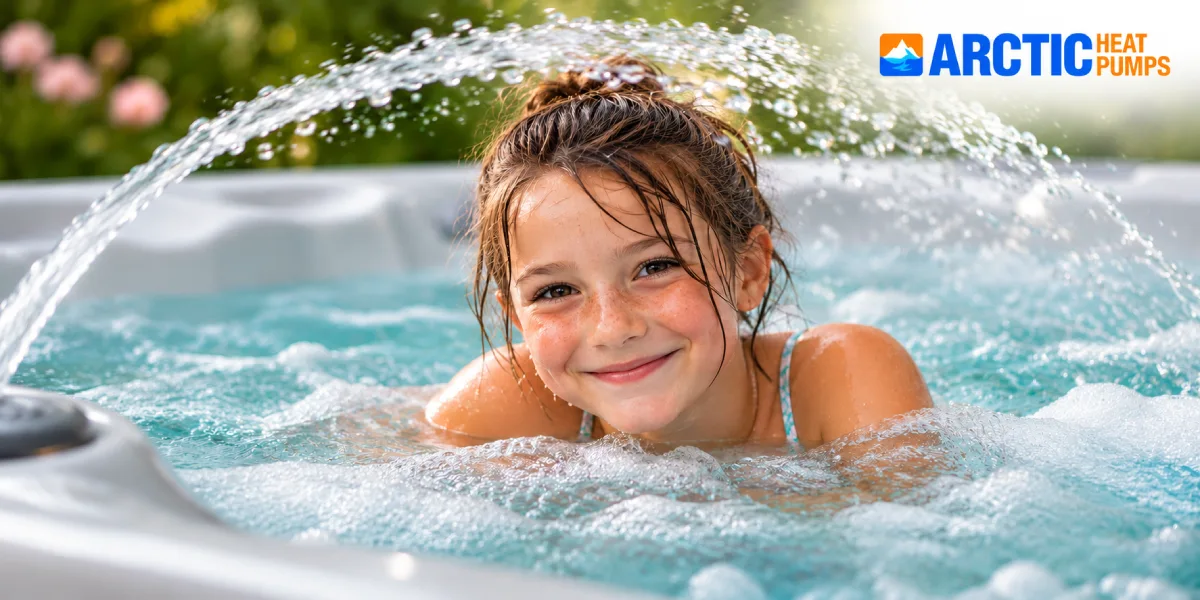
A hot tub should feel relaxing, not uncomfortably hot. But the temperature that feels perfect on a cold winter evening might be too warm during a sunny summer afternoon. And when children are involved, choosing the right setting becomes even more important. So, how hot should a hot tub be?
For most healthy adults, 100°F to 102°F (37.8°C to 38.9°C) is a comfortable starting range. However, the ideal setting depends on the weather, your personal comfort, how long you plan to soak, and who will be using the spa. In this article, I’ll explain the hot tub temperature for different seasons, important safety limits, and simple ways to maintain comfortable water without wasting energy.
What Is the Best Temperature for Hot Tub Use
The best hot tub temperature for most healthy adults is between 100°F and 102°F (37.8°C to 38.9°C). It provides comfortable warmth for relaxing after a long day without requiring the water to reach its maximum permitted temperature.
According to the Centers for Disease Control and Prevention (CDC), hot tub water should never exceed 104°F (40°C). That is a maximum limit, not a target for every soak. Your ideal setting may also depend on whether you enjoy a short, warm soak or prefer spending a little longer in gentler heat.
| Use or Season | Suggested Temperature |
|---|---|
| Everyday adult relaxation | 100–102°F (37.8–38.9°C) |
| Summer | 95–99°F (35–37.2°C) |
| Winter | 100–102°F (37.8–38.9°C) |
| Spring and fall | 98–101°F (36.7–38.3°C) |
| Children ages 5 and older | 95–98°F (35–36.7°C), with precautions |
| Gentle, longer adult relaxation | 98–100°F (36.7–37.8°C) |
| Maximum permitted temperature | 104°F (40°C) |
Here I’ve explained practical starting ranges rather than guarantees of safety. Individual medical conditions, weather, age, and exposure time can change what is appropriate. Also, remember CDC guidance stated children younger than five should not use hot tubs.
Hot Tub Temperature Guide for Families by Season
Outdoor temperatures directly affect how warm hot tub water feels. A setting that is comfortable in January may feel excessive in July. Adjusting your spa as the seasons change helps you maintain comfort and avoid unnecessary heating.
Summer
During summer, the ideal hot tub temperature is around 95°F to 99°F (35°C to 37.2°C). As outdoor temperatures rise, soaking in very warm water can feel uncomfortable rather than refreshing.
Lowering the thermostat a few degrees help create a more enjoyable experience. On particularly hot days, you can set the temperature below 95°F if your spa supports it. For better comfort, use your hot tub during cooler mornings or evenings, choose a shaded area, and stay hydrated.
Always check the water temperature before entering and avoid soaking for too long. Insulated hot tubs retain heat, so lowering the thermostat may take time to cool the water, especially in direct sunlight.
Winter
During winter, the best hot tub temperature for most healthy adults is between 100°F and 102°F (37.8°C to 38.9°C). Warm water provides a relaxing contrast to cold outdoor temperatures, making winter an enjoyable time for soaking.
However, the water should never exceed 104°F (40°C). To maintain a consistent temperature, keep your insulated spa cover securely fitted when the hot tub is not in use. Check the water level, circulation system, and heater regularly to ensure proper operation.
Avoid switching off the heater during freezing weather unless the spa is properly winterized. You don’t need the maximum temperature to enjoy your hot tub. A moderate setting provides comfortable warmth while helping manage energy consumption.
Spring and Fall
Spring and fall typically require smaller adjustments. A temperature around 98°F to 101°F (36.7°C to 38.3°C) offers a useful starting point when outdoor conditions are mild.
During warmer afternoons, you may prefer the lower end. On cooler evenings, increasing the setting slightly can make the water more inviting. You need to focus on consistency, not constant adjustment. Choose a temperature that works for your routine, then change it when the weather or your needs change.
Especially for Kids
Children are more sensitive to heat than adults, so extra care is essential when using a hot tub. According to the CDC, children under five should not use hot tubs, even at lower temperatures. For children aged five and older, consider keeping the water between 95°F and 98°F (35°C to 36.7°C).
Always check the temperature with a thermometer and limit soaking to short sessions of around 5–10 minutes. An adult should remain within arm’s reach and ensure children can keep their heads above water. Watch for signs of overheating, such as dizziness, nausea, flushed skin, or unusual tiredness. If you have concerns about your child’s safety, consult a pediatrician before allowing hot tub use.
How to Find the Best Hot Tub Temperature for Your Needs
The best hot tub temperature depends on your comfort, health, and how you plan to use your spa. Here are some simple tips to help you find the right setting.
- Start With a Moderate Temperature. Begin at around 100°F (37.8°C) and see how comfortable the water feels. Adjust the temperature gradually by 1°F or 2°F instead of immediately setting it to the maximum.
- Consider Your Health Conditions. People with heart conditions, blood pressure problems, diabetes, or heat sensitivity should consult a healthcare professional before using a hot tub. Pregnant individuals should also seek medical advice because overheating can pose risks.
- Avoid Soaking Immediately After Exercise. Allow your body to cool down and rehydrate after physical activity before entering a hot tub to reduce the risk of overheating or dehydration.
- Check the Actual Water Temperature. Use a reliable thermometer to confirm the water temperature, as built-in spa sensors may not always be accurate.
- Adjust Based on Weather and Comfort. Choose slightly cooler settings during summer and warmer settings during winter. Always keep the water at or below 104°F (40°C).
- Pay Attention to Soaking Time. Limit your sessions based on the water temperature and your comfort. Leave the hot tub immediately if you experience dizziness, nausea, or unusual discomfort.
How Long Should You Stay in a Hot Tub
Water temperature and soaking duration work together. The hotter the water, the faster your body may overheat. For healthy adults, a practical starting point is around 10–15 minutes in warmer water. At lower temperatures, some people may feel comfortable staying longer, but there is no single safe duration for everyone.
| Water Temperature | Suggested Approach for Healthy Adults |
|---|---|
| 95–98°F | Comfortable, gentle soaking; take breaks |
| 99–100°F | Start with 15–20 minutes and assess comfort |
| 101–102°F | Prefer shorter sessions of about 10–15 minutes |
| 103–104°F | Keep exposure brief; avoid prolonged soaking |
These are conservative general suggestions, not medically established safe time limits. Actual tolerance varies with age, medications, health, hydration, and other factors. If you begin feeling dizzy, weak, nauseated, unusually hot, or lightheaded, exit the spa carefully and cool down. Seek medical attention for severe or persistent symptoms.
How to Maintain a Comfortable Hot Tub Temperature and Save Energy
Maintaining a consistent hot tub temperature helps improve comfort, reduce energy consumption, and keep your spa running efficiently. Follow these simple tips to manage heat and save energy throughout the year.
- Use a Well-Fitted Insulated Cover. Keep your hot tub covered when not in use to prevent heat loss, especially during winter. Check the cover regularly and replace it if the insulation becomes damaged or waterlogged.
- Avoid Unnecessary Temperature Changes. Maintain a consistent temperature if you use your hot tub regularly. Frequent adjustments can increase reheating time. Use economy or vacation mode during extended periods of nonuse, but maintain proper freeze protection in winter.
- Keep Filters and Water Circulation Clean. Clean filters regularly and ensure proper water circulation to help your heating system operate efficiently. Follow the manufacturer’s maintenance recommendations to prevent unnecessary strain on the equipment.
- Maintain Proper Water Chemistry. Balanced water chemistry helps prevent harmful bacteria and keeps your hot tub safe. According to the CDC, maintain chlorine at a minimum of 3 ppm, bromine between 4-8 ppm, and pH between 7.0-7.8. Test the water regularly and adjust chemicals as needed.
- Choose an Energy-Efficient Heating System. An efficient heating system can help reduce operating costs while maintaining comfortable water temperatures. Understand about energy-efficient heat pump technology to explore options for managing spa heating.
Summing Up
A comfortable hot tub experience starts with choosing a temperature that suits both the weather and the people using it. For most healthy adults, 100°F to 102°F provides a good balance of warmth and comfort. During summer, reducing the setting to around 95°F to 99°F can make the water more pleasant. In winter, maintaining 100°F to 102°F usually provides enough warmth without approaching the maximum limit.
If children are using the spa, you need to take additional precautions. Children under five should not enter hot tubs, and older children need cooler water, shorter sessions, and constant supervision. Ultimately, the ideal hot tub temperature is not about making the water as hot as possible. It is about creating a relaxing experience while maintaining appropriate water temperatures, clean water, and safe soaking habits throughout the year.
FAQs
104°F (40°C) is the maximum recommended water temperature, not an ideal setting for everyone. Some healthy adults may tolerate it briefly, but prolonged exposure increases the risk of overheating, dizziness, and dehydration. Many users find 100°F to 102°F more comfortable.
No. A water temperature of 95°F (35°C) may feel pleasantly warm during summer. However, people who prefer traditional hot tub soaking may find it less relaxing during colder weather.
Healthy adults may be able to use a hot tub regularly, provided the water is properly maintained and sessions are moderate. However, daily use is not appropriate for everyone. People with relevant medical conditions, those who are pregnant, or those taking medications that affect blood pressure or heat tolerance should seek medical advice.
It depends on how often you use the spa, your local climate, and the hot tub’s heating system. A lower setting or manufacturer-approved economy mode may reduce energy use during extended periods of nonuse. In freezing weather, never disable required freeze protection.
Signs of overheating can include dizziness, nausea, weakness, excessive warmth, headache, or lightheadedness. Exit the water carefully if symptoms occur, move somewhere cooler, and seek medical help if symptoms are severe or do not improve.