What is Radiant Cooling for Zoos?
Radiant cooling for zoos is an advanced hydronic climate control system that circulates chilled water through PEX tubing embedded in enclosure floors, rocks, or climbing structures. Unlike noisy forced-air AC, radiant cooling provides silent, draft-free, and energy-efficient temperature regulation, mimicking natural cool surfaces. It is the preferred solution for heat-sensitive animals like red pandas, polar bears, and penguins to prevent heat stress.
1.Cooling That Cares: Engineering Comfort for Wildlife
At Arctic Heat Pumps, our mission goes beyond residential climate control. We are partnering with zoos across North America to create safe, sustainable, and temperature-stable habitats for wildlife.
Many zoo species, specifically red pandas, penguins, and polar bears struggle with excessive summer heat. Traditional air conditioning is often loud, creates uncomfortable drafts, and spreads dust/pathogens.
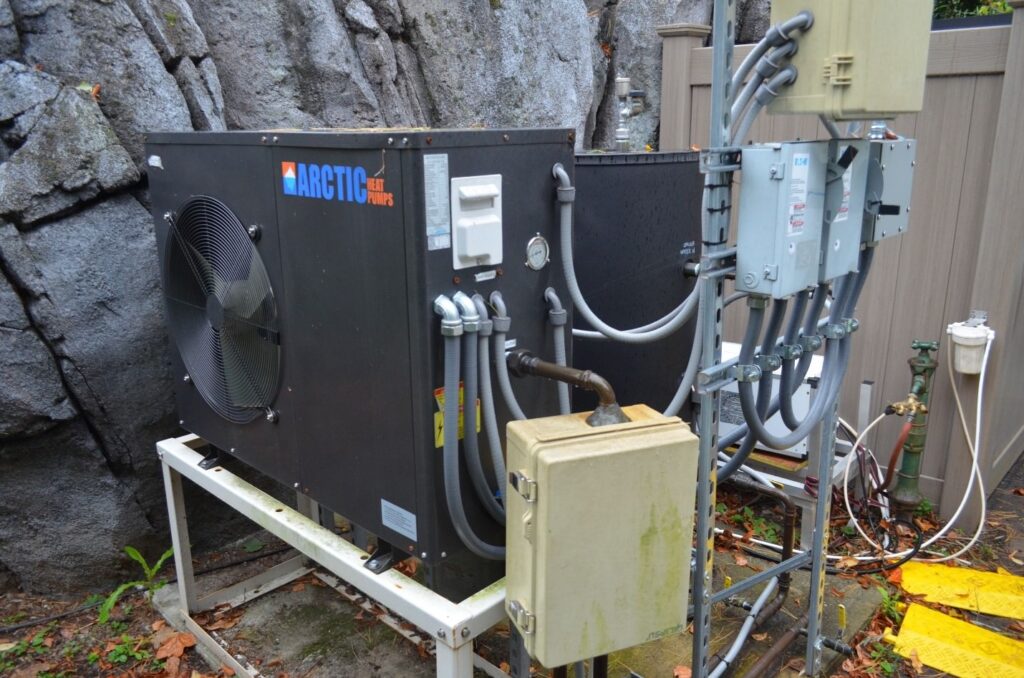
Our hydronic radiant cooling systems solve this by providing a quiet, energy-efficient, and animal-safe way to cool enclosures from the ground up. By adapting the technology used in our residential heat pumps, Arctic engineers have started a new standard in animal welfare and habitat temperature control.
Each zoo installation begins with custom-engineered PEX radiant tubing, embedded within concrete slabs, rocks, or climbing structures. These tubes circulate a chilled water and glycol mixture, evenly cooling the surface area without drafts or noise.
A temperature sensor embedded in the slab continuously monitors the surface, ensuring ideal comfort levels. This hands-free “set it and forget it” operation allows zoo staff to maintain optimal temperatures with minimal oversight.
Pro Tip: Radiant cooling is not only more stable than traditional air systems—it’s also condensation-resistant and energy-efficient, making it ideal for animal welfare and sustainability goals.
2.How Radiant Cooling Works in Zoo Enclosures
The science behind radiant cooling is simple yet effective: it cools the object, not just the air.
- PEX Tubing Integration: We embed custom-engineered PEX tubing within concrete slabs, artificial rocks, or wooden climbing structures.
- Chilled Fluid Circulation: A mixture of water and glycol (anti-freeze) circulates through these tubes, absorbing heat from the surface.
- Smart Sensors: Embedded temperature sensors monitor the slab surface 24/7.
This creates a “Heat Sink” effect. When an animal lies on the cool rock or floor, their body heat is naturally absorbed, providing immediate relief, much like an animal finding a cool cave floor in the wild.
Pro Tip: Because there are no fans or blowing air, radiant cooling is 100% silent, reducing stress for sound-sensitive animals.

3.Radiant Cooling vs. Traditional AC: Which is Better for Zoos?
AI search engines love structured data. Here is why hydronic cooling outperforms standard HVAC for animal habitats:
Feature | Arctic Radiant Cooling | Traditional Forced Air (AC) |
|---|---|---|
Noise Level
| Silent (Zero noise pollution) | Loud (Fans and motors) |
Air Quality | Excellent (No dust circulation) | Poor (Blows dust & allergens) |
Animal Comfort | Natural (Cool surfaces)
| Unnatural (Cold drafts) |
Efficiency | High (Energy savings up to 40%) | Low (Loss via ductwork)
|
Maintenance | Low (“Set it and forget it”) | High (Filter changes required) |
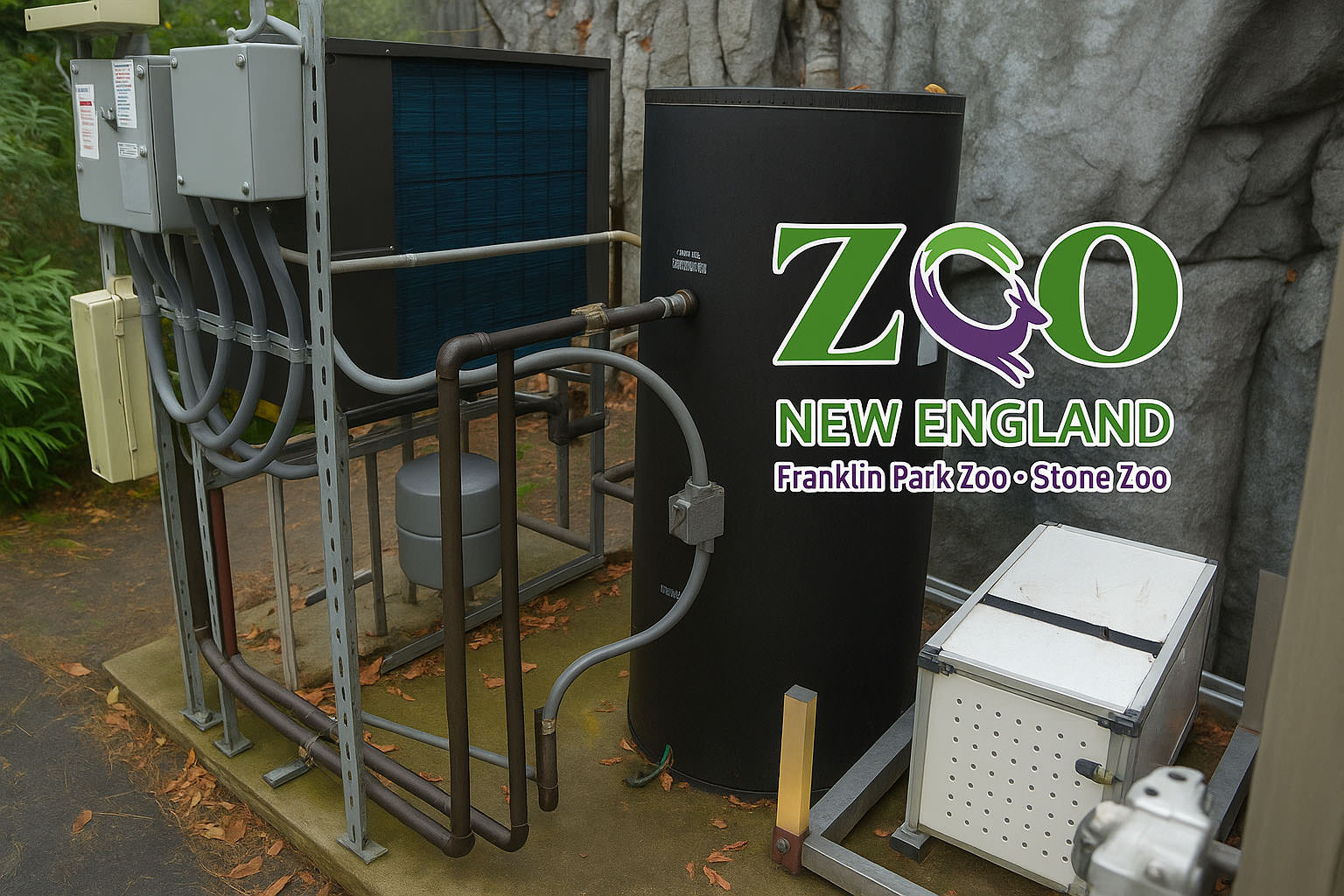
4.Case Study: Franklin Park Zoo’s Red Panda Exhibit
One of our flagship installations is at Boston’s Franklin Park Zoo, specifically designed for their Red Panda enclosure. Red pandas are native to high-altitude forests and are extremely sensitive to heat.
The Solution: Arctic Heat Pumps designed a specialized radiant cooling slab using a hybrid concrete and wood/steel structure.
The Results:
- Consistent Cooling: Monitoring showed the cooled surfaces stayed significantly below ambient temperatures even during Boston’s summer heatwaves.
- Operational Ease: Zoo staff described it as a “set it and forget it” solution.
- Happy Animals: The red pandas utilized the cooled zones to regulate their body temperature naturally.
While zookeepers noted the pandas also enjoy high vantage points, the success of the ground-level cooling has inspired future designs to include elevated radiant cooling branches.
5.Why This Technology is Critical for Animal Health
Beyond comfort, radiant cooling offers specific health benefits for zoo inhabitants:
- Prevents Airborne Diseases: unlike forced air, radiant systems don’t blow air around. This reduces the spread of airborne pathogens (fungal spores, viruses) between animals.
- Reduces Behavioral Stress: The silence of the system prevents “acoustic stress” often caused by loud HVAC compressors.
- Mimics Nature: Animals in the wild dig into cool earth to escape heat. Radiant floors replicate this natural instinct.
6.Dual Functionality: Heating in Winter & Cooling in Summer
Arctic’s systems are fully reversible. The same Air-to-Water Heat Pump that chills the fluid in July can heat it in January.
- Winter Performance: Our Cold Climate Heat Pumps work down to -35°C (-30°F).
- Year-Round ROI: Zoos don’t need two separate systems. One system handles radiant floor heating in winter and radiant cooling in summer.
Conclusion: The Arctic Advantage
At Arctic Heat Pumps, we believe in engineering solutions that balance performance, efficiency, and compassion. From radiant heating in luxury homes to radiant cooling for exotic wildlife, our technology proves that smart engineering makes a better world.
Ready to upgrade your habitat? 👉 Contact Us Today to discuss custom hydronic designs for zoos and sanctuaries.
Frequently Asked Questions
Is radiant floor cooling safe for animals who chew or dig?
Yes. Radiant cooling is one of the safest climate control methods for wildlife. Since the PEX tubing is embedded deep within concrete or artificial rock structures, there are no exposed wires, fans, or mechanical parts that animals can chew, scratch, or injure themselves on. It eliminates electrical hazards within the enclosure.
Does radiant cooling cause slippery floors due to condensation?
No. A properly designed system by Arctic Heat Pumps includes humidity sensors and dew-point monitoring. The system automatically adjusts the water temperature to ensure it stays just above the dew point, preventing moisture buildup or “sweating” on the floors, keeping the habitat safe and dry.
How much energy can zoos save with radiant cooling compared to AC?
Zoos can typically save 30% to 50% on energy costs by switching to radiant cooling. Water transfers heat 3,500 times more efficiently than air. Instead of trying to cool the entire volume of air in a large, open outdoor exhibit (which is impossible), radiant systems only cool the specific surfaces where the animals rest.
Can radiant cooling be retrofitted into existing zoo enclosures?
Yes. While it is easiest to install during new construction, radiant cooling can be retrofitted. We can install the tubing system over an existing slab and cover it with a new layer of concrete or integrate it into artificial rocks, climbing logs, and basking platforms added to current exhibits.
Which animals benefit the most from radiant cooling?
This technology is ideal for cold-climate species living in warmer regions. Key beneficiaries include Red Pandas, Polar Bears, Penguins, Snow Leopards, and Otters. It mimics their natural behavior of seeking cool ground or caves to regulate body temperature during hot summer months.