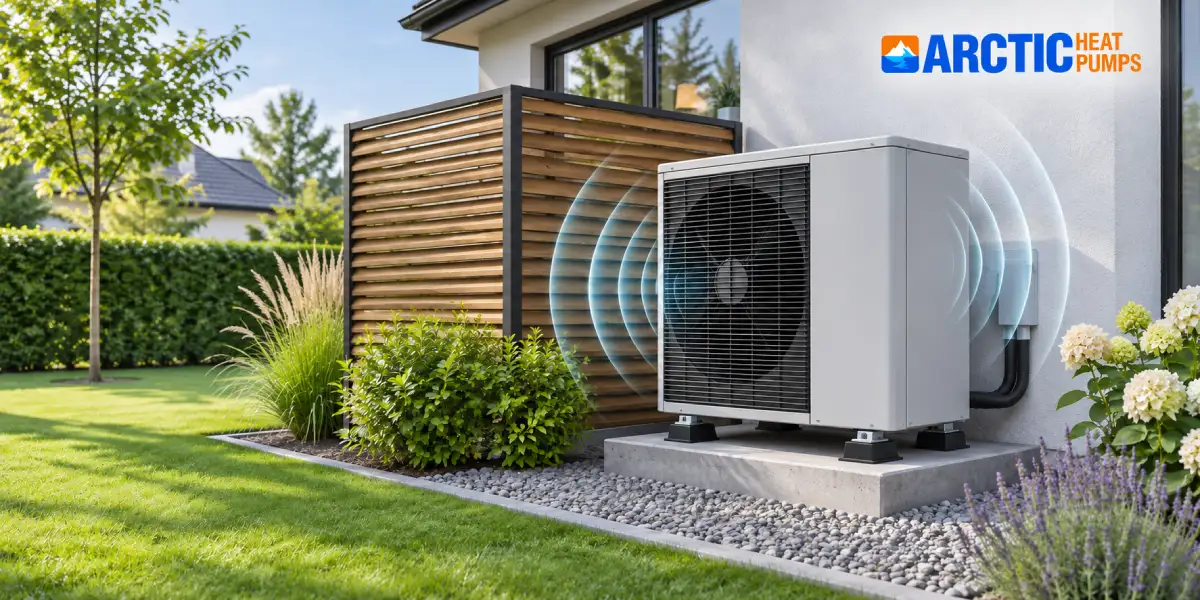
Imagine sitting in your backyard on a quiet evening and hearing a steady humming sound from your heat pump. At first, you might ignore it. But after a while, you start wondering whether the system is supposed to sound like that. Is it normal, or is something wrong?
Well, I have good news for you. Modern heat pumps are generally quieter than many people expect. Most residential air-source heat pumps produce around 40 to 60 decibels (dBA) of sound pressure during operation, depending on the model, operating conditions, and measurement distance. That’s roughly comparable to common household appliances or a normal conversation.
Still, not every sound should be ignored. A gentle hum is usually normal, while loud rattling, grinding, or repeated banging may indicate a problem. In this article, I’ll explain heat pump noise, including how loud a heat pump should be, what causes different sounds, and what you can do to keep your heating and cooling system running quietly.
How Loud Is a Heat Pump? Let’s Understand Heat Pump Noise Levels First
Most residential air-source heat pumps produce around 40–60 decibels (dBA) during normal operation. Some modern models run even more quietly, especially when they operate at lower speeds. To give you an idea, the sound is often similar to a refrigerator running, a dishwasher, or a normal conversation. However, the actual noise you hear depends on the heat pump model, its operating speed, and how far you are from the outdoor unit.
For comparison, a whisper is usually around 20–30 dBA, while a quiet library measures approximately 30–40 dBA. A refrigerator may produce 30–50 dBA, and a normal conversation is generally around 60 dBA. Busy road traffic can reach 70–85 dBA. These are approximate levels, and the actual sound depends on the surroundings and measurement distance.
It’s also important to understand that manufacturers may measure sound at different distances and under different operating conditions. It means two heat pumps with similar decibel ratings may sound different once installed.
For example, a heat pump producing 45 dBA might barely attract your attention during the day but become more noticeable on a quiet evening. That doesn’t necessarily mean something is wrong. Background noise, nearby walls, installation location, and surrounding surfaces all influence how loud your heat pump sounds.
What Causes a Heat Pump to Make Noise?
Heat pumps contain mechanical components that move air, compress refrigerant, and transfer heat. These processes naturally produce some sound. Let me explain in detail.
Compressor Operation
The compressor is one of the main sources of sound in a heat pump. It compresses refrigerant so the system can transfer heat between the outdoor air and your home’s heating or cooling system.
When running, the compressor typically produces a steady humming or low buzzing sound. This is usually normal. Some systems become louder when the compressor increases its output to meet higher heating or cooling demand.
Outdoor Fan Movement
The outdoor fan moves air through the heat pump’s heat exchanger. As the fan spins, you may hear a gentle rushing or whooshing sound. The faster the fan operates, the more noticeable the airflow may become. Fan noise is generally consistent and should not include scraping, repeated knocking, or loud rattling.
Defrost Cycles During Winter
During cold, damp weather, frost can build up on the outdoor heat exchanger. The heat pump periodically enters a defrost cycle to remove this frost and maintain efficient operation. You may hear a brief change in sound, a whoosh, clicks, or refrigerant movement during this process.
These sounds can be normal. If you’re curious about the technology behind winter operation, check out this article to learn how cold-climate heat pumps work and how they extract heat from outdoor air even in freezing conditions.
Vibration From Mechanical Parts
Every heat pump produces some vibration during operation. Normally, the equipment’s mounting system helps prevent that vibration from transferring into the surrounding structure.
However, a loose mounting bracket, unlevel base, or poorly isolated connection can cause additional humming or rattling. Vibration may also travel through walls, floors, and pipes, making the sound more noticeable inside the house.
7 Practical Tips on How to Reduce Heat Pump Noise
If your heat pump seems louder than it should, you don’t always need to replace it. Sometimes, a few simple changes can make a noticeable difference. Here are a few practical ways to reduce unwanted sound.
Choose the Right Installation Location
Where you install your heat pump can make a big difference in how much noise you hear. Placing the outdoor unit directly below a bedroom window or near a neighbor’s patio may make its operating sound more noticeable.
For quieter operation, choose a location away from bedrooms and outdoor seating areas whenever possible. Avoid narrow spaces between walls, as these can reflect and amplify sound. If the equipment allows, position the unit so its airflow faces away from noise-sensitive areas.
Always follow the manufacturer’s recommended airflow and maintenance clearances, and check local noise regulations before installation. Remember, proper airflow is just as important as noise reduction. Blocking airflow to hide the unit can reduce efficiency and cause additional noise.
Use Anti-Vibration Mounts
If your heat pump produces a low rumbling sound that travels through the building, vibration may be the problem. Anti-vibration pads or suitable mounting isolators can reduce the amount of mechanical vibration transferred into the foundation or supporting structure.
A qualified installer can check whether the existing mounts are appropriate for the equipment’s weight and operating conditions. Avoid adding makeshift padding or altering mounting hardware without professional advice.
Keep the Outdoor Unit Clean
Leaves, dirt, and debris around the outdoor unit can restrict airflow and affect how the fan operates. Check the area regularly and remove loose debris while following the manufacturer’s safety instructions.
Keep shrubs and other objects clear of the air intake and discharge. Don’t open electrical compartments or use a pressure washer on the equipment. If the heat exchanger needs a deeper cleaning, follow the manufacturer’s maintenance procedure or arrange professional service.
Check for Loose Parts or Panels
A loose panel or mounting component can create a rattling sound whenever the system runs. If the heat pump suddenly becomes louder, look for visible damage or loose external parts without touching moving or electrical components. A technician can inspect the cabinet, fan assembly, fasteners, and mounting hardware to identify the source.
Consider a Quiet Heat Pump With Inverter Technology
If you’re buying a new system, pay attention to the compressor and fan technology. Traditional fixed-speed compressors often operate at full output when running. Inverter-driven systems can adjust their speed based on heating or cooling demand.
At lower speeds, some inverter heat pumps produce less noise because the compressor and fan don’t need to run at maximum capacity. For example, inverter heat pump technology allows gradual compressor speed changes and quieter startup. However, inverter technology alone doesn’t guarantee a silent unit. Compare the manufacturer’s published sound ratings under equivalent conditions before purchasing.
Use Quiet Mode if Your Heat Pump Supports It
Some modern heat pumps include a quiet, silent, or nighttime operating mode. These settings generally reduce compressor or fan speed to lower noise during selected periods. They can be useful when the unit operates near bedrooms or neighboring homes. Keep in mind that a quiet mode may also reduce heating or cooling capacity. Check your owner’s manual to understand how the feature works on your specific model.
Schedule Regular Maintenance
Routine maintenance can help prevent minor mechanical issues from becoming expensive repairs. A professional service visit may include checking fan operation, electrical components, mounting hardware, airflow, and system performance.
Proper maintenance also makes it easier to identify a change in sound before it becomes a bigger problem. If your heat pump is several years old and has recently become louder, an inspection is a sensible first step.
How to Choose a Quiet Heat Pump for Your Home
If low noise is a priority, don’t choose a system based only on its advertised heating capacity or efficiency. Consider these factors before making a decision:
- Compare published sound ratings. Look for sound power ratings or sound pressure measurements taken under similar conditions.
- Check inverter technology. Variable-speed compressors and fans may operate more quietly at lower output.
- Choose the correct system size. An improperly sized system can cause unnecessary cycling or prolonged high-output operation.
- Review installation requirements. Proper mounting, airflow clearance, and placement can reduce unwanted noise.
- Ask about quiet operating modes. Some models offer reduced-noise settings for nighttime use.
- Consider maintenance access. An easily accessible unit is simpler to inspect and maintain.
Especially, proper sizing is important. A system that is too large may cycle frequently, while an undersized unit may spend more time operating at high capacity. You can consider heat load calculation and system design services to determine the appropriate heating and cooling capacity for your property. Correct sizing is one part of planning an efficient, comfortable installation.
When You Should Call a Heat Pump Technician to Reduce Noise
A steady operating hum is generally nothing to worry about. But if your system suddenly starts making a sound you’ve never heard before, it’s worth investigating. Contact a qualified technician if:
- The unit produces loud grinding, scraping, or repeated banging.
- Vibration becomes noticeably stronger than usual.
- The outdoor fan makes unusual contact or scraping sounds.
- The equipment becomes much louder while heating or cooling performance declines.
- A persistent hiss is accompanied by signs of refrigerant leakage or system malfunction.
- The circuit breaker trips, the unit smells burnt, or visible electrical damage appears.
If there are signs of electrical damage, severe mechanical trouble, or a refrigerant leak, turn off the system when it is safe to do so and seek professional assistance. A technician can determine whether the problem comes from the compressor, fan, mounting system, refrigerant circuit, or another component.
To Sum Up
Most modern heat pumps are quieter than many homeowners expect. A typical air-source system operates at around 40–60 dBA of sound pressure, although the actual level depends on the model, measurement distance, operating conditions, and installation.
A gentle hum, soft airflow, and occasional clicking are generally normal. However, loud grinding, rattling, or sudden changes in sound deserve attention. If you’re buying a new heat pump, compare the manufacturer’s sound ratings and plan the installation location carefully. If you already own one, regular maintenance and proper vibration control can help keep unwanted noise under control.
Your goal isn’t to find a completely silent heating system; rather, to choose a properly sized, well-installed heat pump that keeps your home comfortable without creating unnecessary disturbance. If you need professional assistance to buy a new heat pump or reduce your old heat pump noise, contact Arctic Heat Pumps anytime. We can help you with anything you need.
FAQs
A sound level of 60 dBA is roughly comparable to a normal conversation. It may be noticeable near the outdoor unit, but whether it’s disruptive depends on the distance, background noise, and installation location. Also, check whether the 60 dB rating refers to sound pressure or sound power.
Not necessarily. Both heat pumps and air conditioners use compressors and fans, so their sound levels can be similar. The actual difference depends on equipment design, operating conditions, and installation. Heat pumps may also produce additional temporary sounds during winter defrost cycles.
Not necessarily. A properly maintained heat pump can operate at a relatively consistent sound level for years. However, worn fan bearings, deteriorating vibration mounts, loose components, or other mechanical problems may cause an older system to become noisier.
No. Heat pumps contain moving mechanical components, so some sound is unavoidable. However, modern equipment with well-designed compressors, fans, sound insulation, and proper installation can operate quietly enough to blend into the surrounding environment.
There is no single quietest type for every application. Some ground-source systems avoid an outdoor air-moving fan, while modern inverter air-source heat pumps can be very quiet. Compare specific equipment ratings and installation requirements rather than relying only on the type of heat pump.